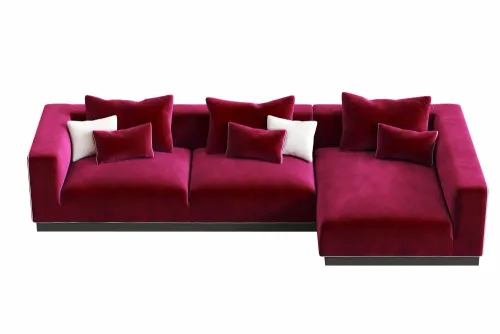
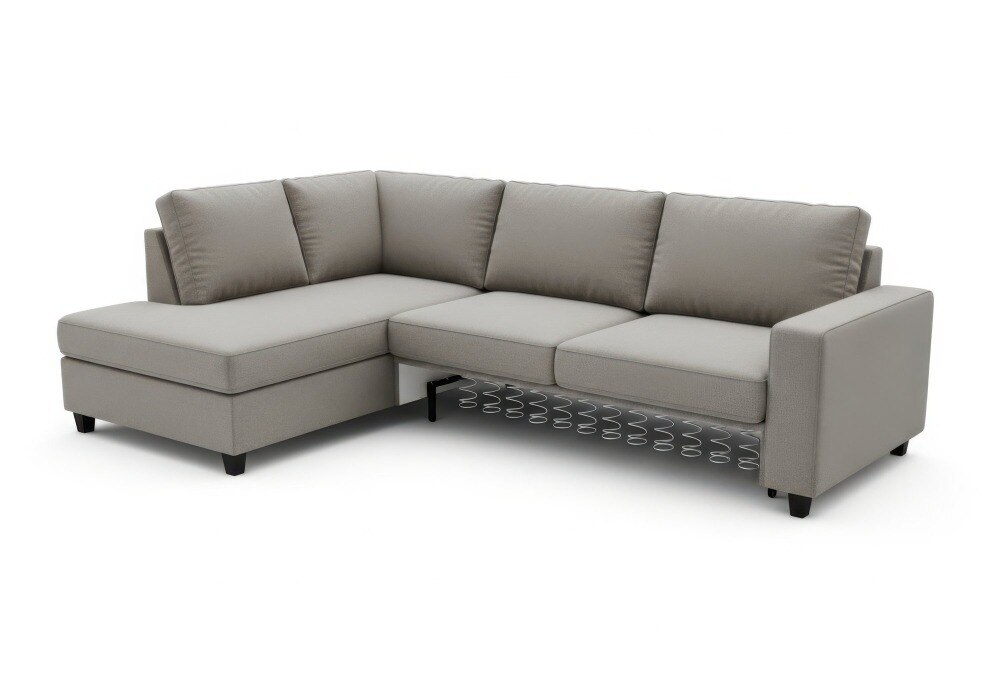
Start by separating a worn loose cushion from a collapsed seat deck, damaged webbing, broken springs, or a twisted frame. You will be able to test the sofa at home, identify the failing part, choose a suitable replacement insert, and avoid Thane’s humidity and cleaning mistakes that accelerate discomfort.
Key takeaways
- Sit on the exposed sofa deck to identify base failure.
- Test every seat for sagging, tilt, hardness, and uneven support.
- Match replacement foam to firmness, measurements, and cover fit.
- Call an upholsterer when webbing, springs, or the frame has failed.
Find out whether the cushion or sofa base is failing
Remove the loose seat cushion and sit directly on the platform or deck for 60 seconds. If the hard, sagging, or tilted feeling remains, the problem is beneath the cushion: collapsed webbing, broken springs, or a deflected frame will not be fixed by new foam.
1. Check the sofa’s foundation on a level floor. Press each corner and look for a loose leg, rocking base, twisted frame, or one side sitting lower. Uneven leg contact can overload one section of an L-shaped sofa and create a false cushion diagnosis.
2. Inspect the cushion after removing its cover. A hollow that remains after rotation, permanently flattened foam, lumps, or a hard edge indicates foam compression. Loose fabric without damaged foam points to shifting or under-filled material instead.
3. Test the inside corner separately from the straight seats and chaise. Its different shape, restricted deck access, and forward-forcing seating angle can cause discomfort even when the long cushion is sound.
4. Sit on the suspect seat and an unused back or ottoman cushion, but compare support after several days of normal use. A cushion that feels soft initially can lose support quickly if its foam firmness or dimensions do not match the load.
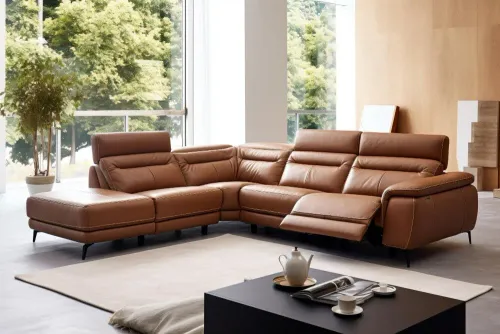
This separates a grey sofa cushion problem in Thane from a base failure. It is the key check for a grey L shape sofa for losing comfort in Thane. Do not use a close hair dryer, high-heat iron, or strong solvent to hide stains; heat and chemicals can damage the grey upholstery.
Test every seat and measure the comfort that is actually missing
Prove the source by testing each seat separately, not by judging the sofa as one unit. Label the straight seats, chaise, and inside corner, then photograph their positions. Sit for ten minutes in your normal posture and record where your pelvis, thighs, lower back, and feet lose support.
Repeat after standing for five minutes; a dip that remains points to the cushion or deck, not temporary compression.
| Seat or position | What to measure | What the result shows |
|---|---|---|
| Straight seat | Usable depth, front-edge height, and cushion thickness | A shallow seat pushes you upright; a low edge indicates compression or support loss |
| Inside corner | Seat height, cushion angle, and gap between cushions | A forward-sloping corner can cause pelvic sliding even when its foam feels firm |
| Chaise | Depth, leg contact, and height difference from adjacent seat | Feet that do not reach the floor can create back and thigh discomfort |
| Deck without cushion | Sag, noise, unevenness, and leg contact | Discomfort that remains indicates webbing, springs, frame, or floor-level problems |
Measure the cover and foam separately at the centre and edges. Note sliding, a hard edge, fabric slack, or a height difference greater than the sofa’s other seats. For useful l shape sofa comfort in thane, compare the repaired seat with an unused cushion only after several days of normal use; initial softness proves little.
Repair a removable cushion without hiding permanent foam damage
A removable cushion can be repaired at home only when its core still rebounds. For a grey sofa cushion problem in thane, rotate a reversible cushion end-for-end or swap it with a same-size seat to confirm whether the discomfort follows the cushion.
A hollow that remains after several hours, foam that stays compressed, or a lumpy core means the insert needs replacement, not repeated fluffing.
- Unzip the cover on a clean, dry surface and slide the insert out without pulling the fabric or seam.
- Check the foam from every side. A sound piece feels evenly springy; permanent damage shows as a deep centre hollow, crushed corners, crumbling edges, or lumps that remain after gentle reshaping.
- Shake and redistribute loose polyester fibre inside an under-filled cushion, then close the cover and smooth the filling into the corners.
- Add a thin polyester-fibre or foam wrap only when the foam is intact and the problem is a hard surface or loose cover. Do not use a top layer to disguise a collapsed core.
- Refit the cover with the zipper fully closed, then sit in the same position for several minutes. Check the seat again after several days of normal use.
A front edge that collapses, a cushion that slides because its shape has distorted, or foam that stays flat after rotation points to permanent failure. Never use a high-heat iron, close hair dryer, or strong solvent; it can shrink, glaze, discolour, or weaken grey upholstery without restoring support.
Choose replacement foam by firmness, dimensions, and cover fit
Order by high-resilience polyurethane foam density, firmness, and finished size—not by the word “soft.” A cushion that feels luxurious in a showroom can lose support within days if its foam, suspension, or dimensions do not match your loading.
For a grey L-shape sofa comfort problem in Thane, confirm the platform is sound before ordering; new foam cannot correct collapsed webbing, broken springs, or a deflected frame.
Specify these details to the supplier:
- Seat width, depth, and thickness in millimetres after removing the old insert; measure the corner cushion separately from straight sections.
- Foam density in kg/m³ and firmness by ILD or IFD, then compare those figures with the original insert rather than choosing by touch alone.
- Finished cover dimensions, seam allowance, and whether the cover has a zipper; an insert that is too large creates hard edges, while one that is too small shifts and wrinkles.
- One-piece or layered construction, especially if the front edge has collapsed; adding a thin soft layer over permanently compressed foam will not restore support.
| Comparison | Better choice | What goes wrong with the mismatch |
|---|---|---|
| Firmness | Medium-firm or the original measured grade | Excess softness bottoms out; excess firmness causes pressure points |
| Size | Exact width, depth, and thickness | Oversizing strains seams; undersizing permits movement |
| Corner seat | Separately cut insert | A long straight insert leaves the corner uncomfortable |
Judge l shape sofa comfort in thane after several days of normal use, comparing the repaired seat with an unused back or ottoman cushion. Shaad Enterprises can help you specify the measurements when replacing a cushion for a sofa it supplies.
Related product
 | L Shape Sofa Here is a fresh, professional product description you can use for your business Shaad Enterprises: 🛋️ Grey 5-Seater L-Shape Sofa Shaad Enterprises... View product → |
Know when to call an upholsterer and prevent the next comfort loss
A dip that remains after you remove the seat cushions indicates structural repair, not another foam insert. Test the bare deck: movement, a low front rail, broken webbing, snapped springs, creaking, or a frame that twists under load all justify an upholsterer’s inspection.
Loose upholstery and cushions that slide apart also need correction when the base has shifted.
Call an upholsterer if you find:
- A permanent dip in the platform or chaise deck
- Uneven seat height after the cushions are levelled
- A hard edge caused by a collapsed front rail
- Clicking, scraping, or spring noise beneath one seat
- A frame joint that moves when you press down
- Webbing that feels slack, torn, or absent
For a grey L shape sofa for losing comfort in Thane, protect the repaired base as carefully as the foam. Keep the sofa slightly away from a damp wall, allow air to circulate underneath, and dry any spill immediately; trapped moisture encourages odour, mildew, and fabric weakening.
Vacuum seams, gaps, and under-seat areas weekly with an upholstery attachment so dust does not grind into the suspension.
Rotate reversible cushions and swap seats when their shapes allow it. Do not sit on the arm, jump onto the chaise, or use the front edge as a step. Those habits concentrate load and recreate the grey L shape sofa comfort problem in Thane within months.
Avoid plastic covers and high heat, which trap moisture or damage the upholstery.
Frequently asked questions
How can you tell whether the cushion or sofa base is failing?
Remove the loose seat cushion and sit on the platform for 60 seconds. If the hard, sagging, or tilted feeling remains, inspect the webbing, springs, and frame.
How do you test every seat for a grey sofa cushion problem?
Sit in each seat and record whether the support feels hard, soft, tilted, or uneven. Compare cushion thickness, compression, and recovery across the sofa.
Can you repair a removable sofa cushion without hiding foam damage?
Inspect the foam after removing the cover. Replace permanently collapsed foam instead of adding a thin layer that disguises the damage.
When should you call an upholsterer for an L-shaped sofa comfort problem in Thane?
Call an upholsterer when the platform stays uncomfortable without the cushion, or when you find broken springs, collapsed webbing, or a deflected frame.
Keywords