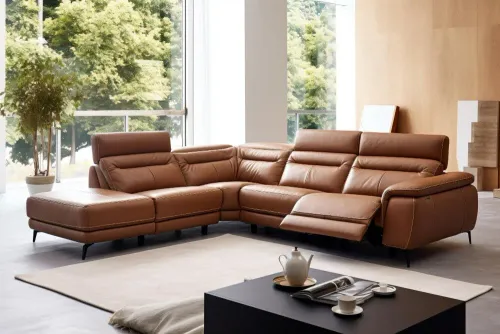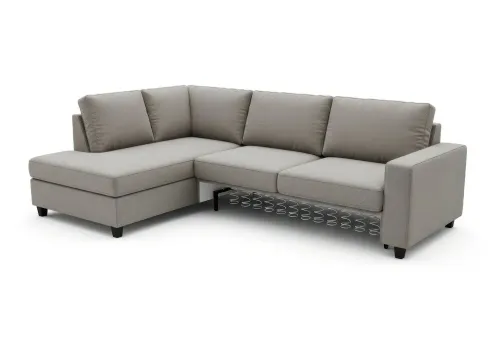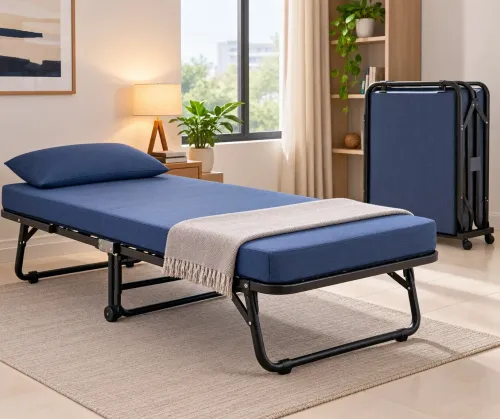
Standard furniture is convenient when a room has straightforward dimensions and requirements. Problems begin when an office has an unusual column position, a home needs storage around an awkward corner or a growing business wants furniture that can adapt to future layouts. Modular Furniture with Custom Furniture Design provides two different but complementary ways to address these situations.
For buyers in Thane, Maharashtra, understanding the distinction between modular and custom furniture can make project planning easier and prevent unnecessary spending.
What Is Modular Furniture?
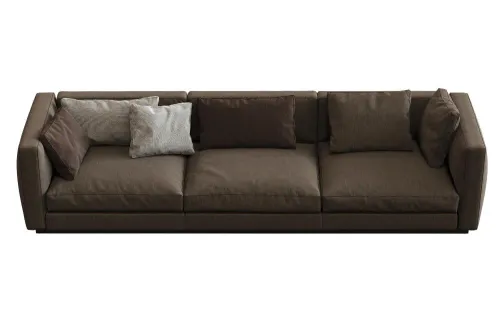
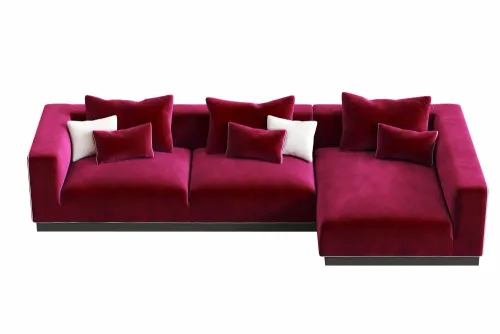
Modular furniture consists of components designed to work together in different configurations.
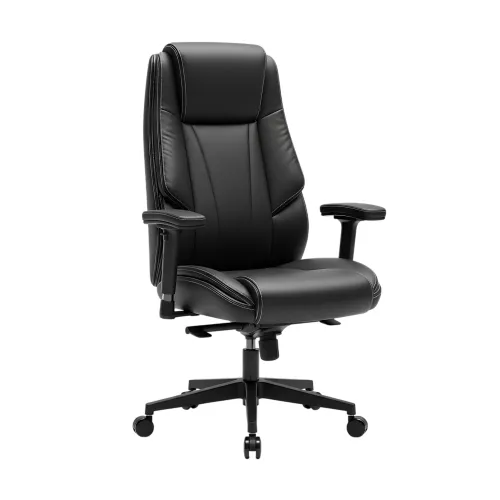
In an office, this could include workstation modules, storage units or desks that can be rearranged as teams change. In a home, modular storage may allow sections to be combined according to available wall space.
Its primary strength is repeatability and flexibility.
What Is Custom Furniture?
Custom furniture is designed around specific dimensions, functions or aesthetic requirements.
A custom piece may be created to fit an exact wall width, provide unusual storage, coordinate with an interior theme or solve a particular space constraint.
Unlike standard modular systems, customization can address requirements unique to one project.
Which Option Is Better?
Neither is automatically better.
Choose modular furniture when:
- Layout flexibility is important
- Multiple similar units are required
- Future rearrangement is likely
- Standardized dimensions suit the space
- Expansion may happen later
Custom furniture can be more appropriate when:
- Room dimensions are unusual
- Specific storage is required
- The furniture must fit around architectural features
- A particular material or finish is needed
- Standard sizes waste useful space
Many projects benefit from combining both approaches.
Offices Can Use a Hybrid Strategy
Corporate projects frequently require standardized employee workstations but customized reception counters, executive tables or conference-room furniture.
Using modular components where repeatability matters can simplify planning, while custom pieces can address high-visibility or unusually shaped areas.
This prevents businesses from paying for unnecessary customization across the entire office.
Homes Have Similar Opportunities
A homeowner might use standard furniture in flexible areas but choose custom storage for a wall with unusual dimensions.
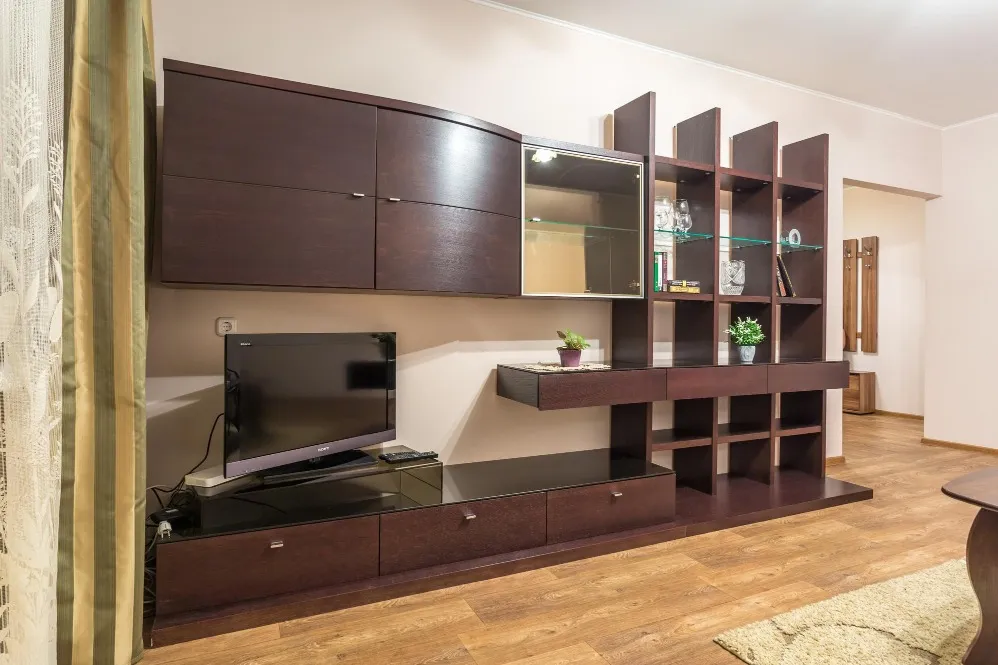
TV units, wardrobes, study areas and multifunctional storage are common examples where exact measurements can significantly improve space utilization.
The decision should be driven by function rather than the assumption that custom furniture is always more premium.
What Information Should Be Ready Before Design Begins?
Good customization depends on accurate information.
Prepare:
- Room measurements
- Photographs or drawings of the space
- Intended furniture use
- Storage requirements
- Number of users
- Preferred materials or finishes
- Existing furniture that must remain
- Electrical or data-point locations
- Expected future changes
The more clearly these requirements are defined, the easier it becomes to develop an appropriate configuration.
Avoid Overdesigning
Customization creates possibilities, but every available feature does not need to be included.
Extra drawers, complicated mechanisms and excessive decorative details can increase cost and sometimes reduce usability. Each feature should solve a real requirement.
A simpler design that fits correctly and performs its function well often provides greater long-term value.
Choosing a Furniture Manufacturer for a Custom Project
Buyers should discuss materials, measurements, intended use and installation conditions before approving a design. Understanding what is included in the scope also helps prevent mismatched expectations.
Shaad Enterprises manufactures office and home furniture for varied applications. Customers planning modular or customized furniture in Thane can use the design stage to align dimensions, storage, materials and future flexibility before production begins.
Furniture performs best when it responds to the space rather than forcing the space to adapt around it. Combining modular flexibility with selective customization can create interiors that are efficient today and easier to modify tomorrow.
Keywords