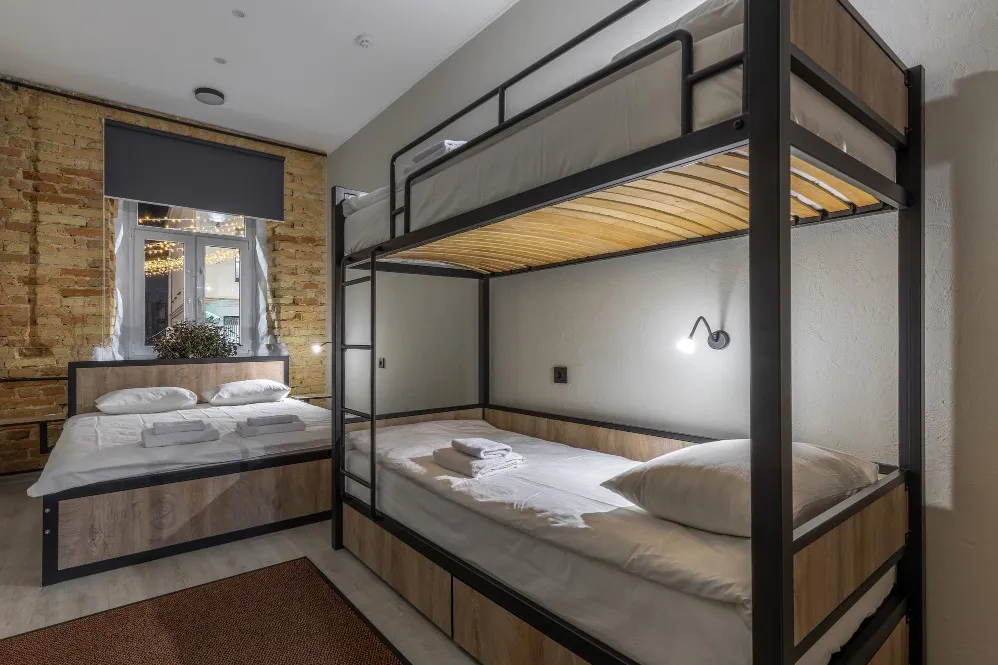
Educational institutions, hostels, staff accommodations, healthcare facilities, and training centres often require furniture that accommodates multiple occupants while making efficient use of available space. Bunk beds for hostels and institutional projects have become one of the most practical solutions for maximizing sleeping capacity without increasing room size.
Choosing the right bunk bed involves much more than selecting a basic design. Safety, durability, maintenance, and long-term performance should all be considered before making a purchase.
Why Bunk Beds Are Ideal for Institutional Use
Institutional accommodation typically serves multiple users over extended periods. Furniture must therefore withstand continuous usage while maintaining structural reliability.
Bunk beds offer several practical benefits:
- Better utilization of vertical space
- Increased room capacity
- Improved floor space for movement
- Organized accommodation layouts
- Lower infrastructure costs compared to expanding room capacity
These advantages make them suitable for projects where space optimization is essential.
Common Applications
Bunk beds are widely used in:
- Student hostels
- Employee accommodation
- Defence facilities
- Training academies
- Boarding schools
- Hospitals
- Industrial staff housing
- Disaster relief shelters
Different environments may require different specifications depending on occupancy levels and operational requirements.
Essential Features to Evaluate
Before selecting bunk beds, buyers should assess the following characteristics.
Strong Frame Construction
Steel frames with quality welding provide stability and long-term durability.
Safety Rails
Upper bunks should include protective side rails to reduce the risk of accidental falls.
Secure Ladder Design
A stable ladder with comfortable steps allows users to climb safely.
Protective Finishes
Powder-coated surfaces help resist corrosion while extending product life.
Weight Capacity
Manufacturers should specify the recommended load limits for safe usage.
Planning Room Layouts
Furniture planning plays an important role in maximizing both comfort and accessibility.
Consider:
- Walking space between beds
- Emergency exits
- Ventilation
- Lighting
- Storage requirements
- Cleaning access
An efficient layout improves both safety and everyday convenience.
Maintenance Requirements
Routine inspections help maintain safety over time.
Recommended maintenance includes:
- Tightening bolts periodically
- Checking ladder stability
- Inspecting safety rails
- Cleaning surfaces regularly
- Monitoring for signs of corrosion or structural damage
Preventive maintenance reduces repair costs and supports long-term reliability.
Selecting a Reliable Manufacturer
Institutional furniture projects often involve large quantities and specific technical requirements.
Procurement teams should evaluate suppliers based on:
- Manufacturing capability
- Quality control standards
- Material specifications
- Project experience
- Delivery schedules
- Customization options
- After-sales support
Choosing an experienced manufacturer helps ensure consistent product quality across large projects.
As educational institutions and commercial facilities continue expanding across Thane and Maharashtra, demand for dependable institutional furniture remains strong. Shaad Enterprises manufactures bunk beds designed to meet practical accommodation requirements while focusing on durability, safety, and efficient space utilization for institutional environments.
Keywords