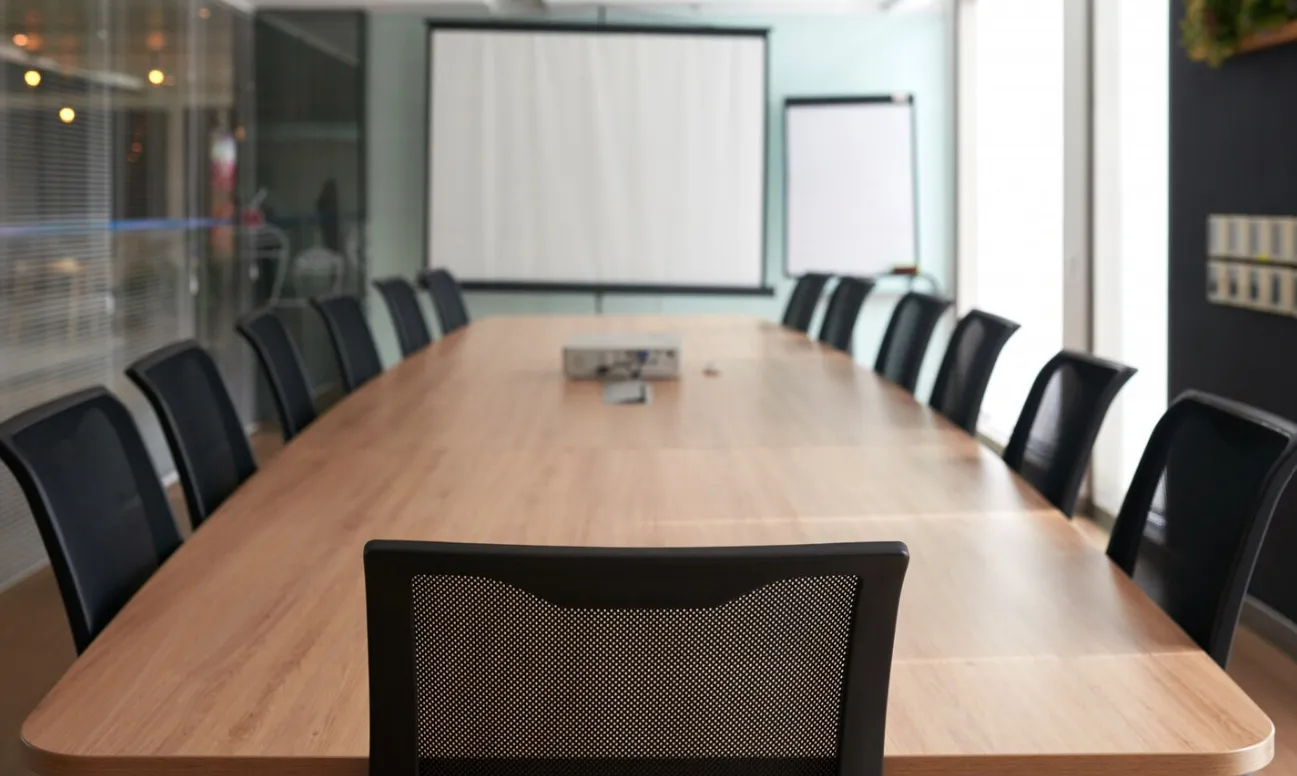
A conference table influences more than the appearance of a meeting room. It affects how many people can sit comfortably, whether screens are visible, where laptops and documents are placed and how easily participants can move around the room. Selecting Conference Room Tables for Professional Meeting Spaces should therefore begin with room function rather than design alone.
Corporate offices in Thane, Maharashtra, may use meeting rooms for internal discussions, presentations, client meetings, interviews and video conferences. A table that supports all these activities can make the room considerably easier to use.
Measure the Room Before Choosing the Table
The largest table that physically fits is rarely the best choice.
People need sufficient space to pull chairs out and walk behind seated participants. Doors, storage units, screens and presentation areas also require clearance.
Start by recording the room's usable dimensions after accounting for permanent fixtures. Then consider the number of people who typically attend meetings.
A room designed around realistic occupancy generally works better than one designed around occasional maximum capacity.
Shape Changes How a Meeting Room Functions
Rectangular conference tables remain popular because they provide a familiar formal arrangement and suit many room shapes.
Boat-shaped or gently curved designs can improve sightlines in some settings. Round tables encourage more equal interaction but are generally better suited to smaller groups. Modular configurations provide flexibility where rooms host different meeting formats.
The shape should reflect both available space and the type of meetings held there.
Technology Should Be Planned From the Beginning
Modern meetings often involve laptops, displays, video conferencing and charging devices.
A conference table should therefore be considered alongside:
- Power access
- Data connectivity
- Cable routing
- Display position
- Camera sightlines
- Microphone placement
- Laptop usage
Adding technology after furniture installation can result in exposed extension cables and inconvenient connections.
Integrated cable-management provisions can help keep the table surface more organized.
Consider Seating Capacity Realistically
A table may technically accommodate a certain number of chairs while still feeling cramped.
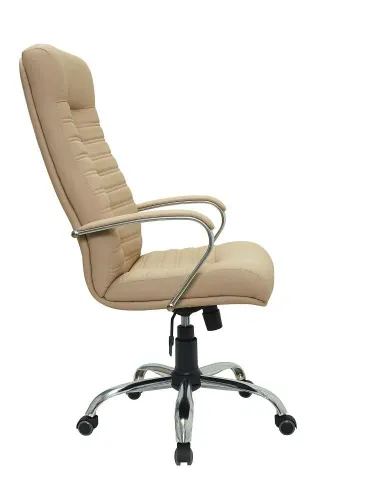
Participants need enough elbow room to use laptops, notebooks and documents. Chair dimensions also vary significantly, particularly when larger executive or ergonomic chairs are selected.
Testing the proposed table dimensions against the actual chair size can prevent overcrowding.
Material and Finish Should Suit Usage
Conference rooms often form part of the visitor-facing environment of an office, so visual appearance matters. However, surfaces must also tolerate regular meetings, devices, stationery and cleaning.
Businesses should evaluate durability, edge treatment, ease of maintenance and compatibility with the broader office interior.
A table that looks impressive but is difficult to maintain may not be suitable for a heavily used meeting room.
Avoid These Common Selection Mistakes
Several problems occur repeatedly:
- Selecting a table before measuring chair clearance
- Ignoring power and data requirements
- Choosing maximum seating over comfortable seating
- Blocking access to doors or presentation areas
- Using a table shape that restricts sightlines
- Forgetting future video-conferencing requirements
Correcting these issues after installation can be inconvenient and expensive.
When Custom Dimensions Make Sense
Standard conference tables work well in many offices, but unusual room dimensions or specific seating requirements may justify a customized solution.
Shaad Enterprises manufactures office furniture for different commercial requirements. Businesses planning meeting rooms in Thane can consider table dimensions, seating capacity, technology integration and interior requirements together rather than selecting each element independently.
The best conference room table should almost disappear during a productive meeting. Participants should be able to sit, communicate, use their devices and view presentations without thinking about furniture limitations. That level of functionality comes from accurate planning rather than simply choosing the most visually impressive table.
Keywords