Modern offices are no longer designed around rows of identical desks and chairs. Businesses now need work environments that support focused tasks, team collaboration, meetings, technology use and employee comfort within the same floor plan. This shift has made the selection of Corporate Office Furniture for Modern Workspaces an important part of office planning.
For companies in Thane, Maharashtra, furniture decisions are particularly important where commercial spaces must accommodate growing teams without making the workplace feel crowded. The right furniture can improve movement, organization and day-to-day usability while creating a professional environment for employees and visitors.
What Makes Office Furniture Suitable for a Modern Workplace?
Modern office furniture is less about appearance alone and more about how effectively it supports daily activities. A well-planned office generally combines different furniture categories rather than relying on a single desk configuration.
Common requirements include:
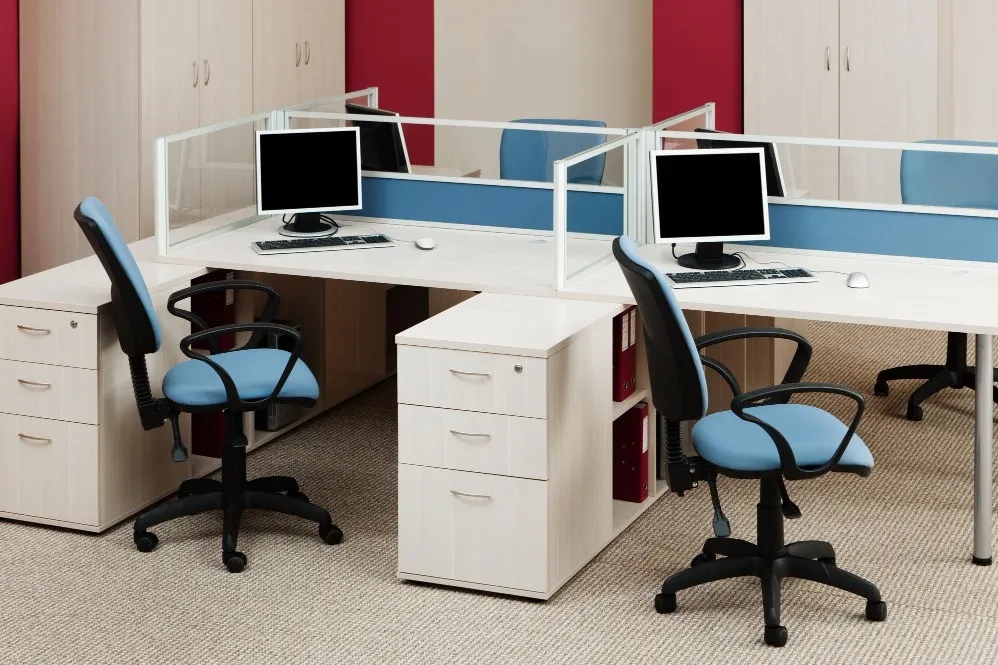
- Employee workstations
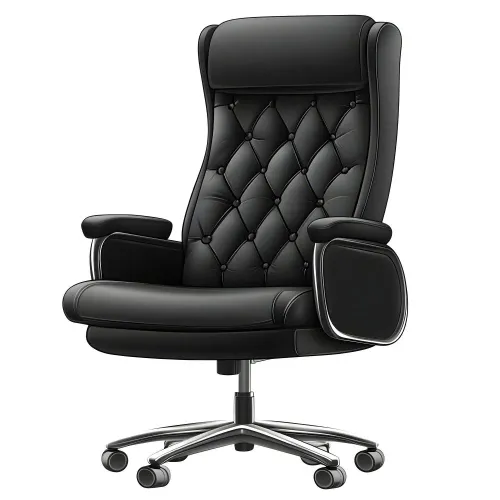
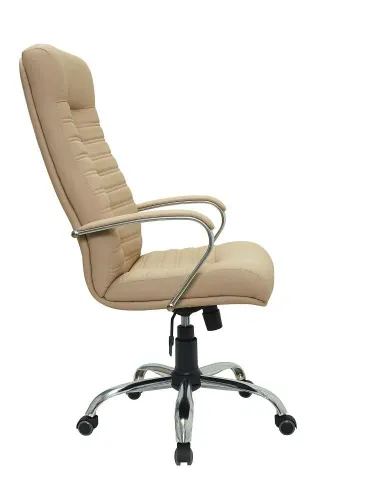
- Executive desks and chairs
- Storage cabinets and pedestals
- Conference and meeting tables
- Reception furniture
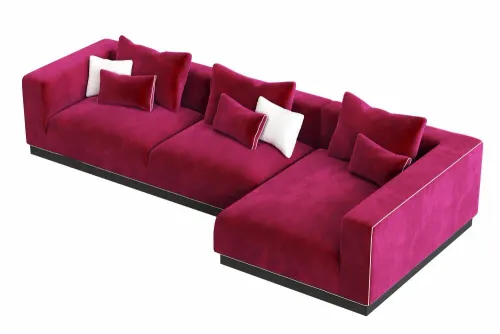
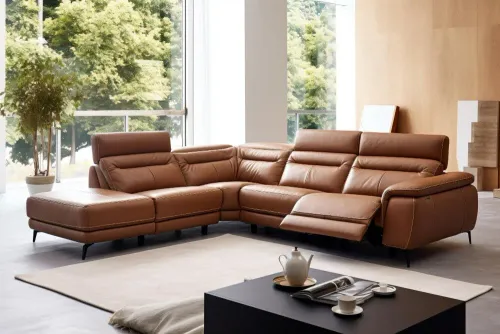
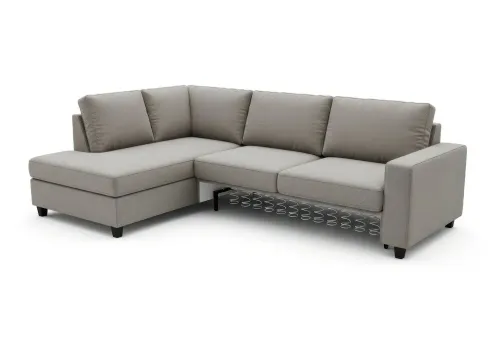
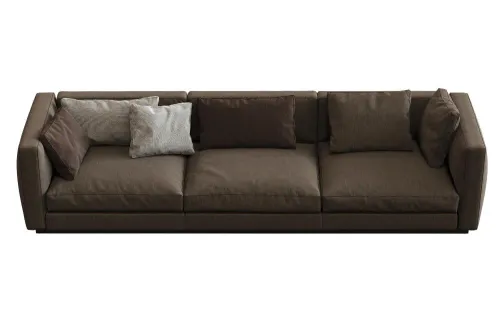
- Collaborative seating
- Filing and document storage
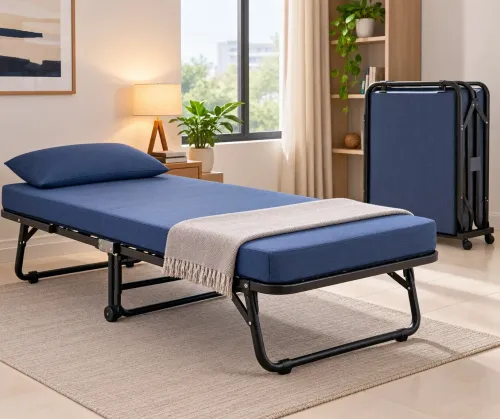
- Breakout-area furniture
Each piece should have a clear purpose within the available space.
Plan Furniture Around How Teams Actually Work
Before choosing furniture, businesses should understand how employees use the office.
A finance or administration team may require more document storage and individual work areas. A design or project team may benefit from larger collaborative surfaces. Management cabins often need a combination of working, meeting and storage space.
Furniture planning becomes more effective when these functional differences are considered before finalizing dimensions and layouts.
Ergonomics Deserves Serious Attention
Employees can spend several hours each day at their desks. Poorly selected chairs, unsuitable desk heights and inadequate legroom can make routine work uncomfortable.
Useful ergonomic features may include adjustable seating, supportive backrests, practical desk heights and adequate clearance for movement. Monitor position, keyboard placement and the relationship between the chair and work surface should also be considered.
Ergonomics should therefore be treated as a functional requirement rather than an optional upgrade.
Storage Can Make or Break the Layout
A visually attractive office can quickly become cluttered when storage is insufficient. Files, stationery, equipment and personal belongings need designated spaces.
Integrated drawers, mobile pedestals, overhead cabinets and shared storage units can help reduce unnecessary clutter. The right solution depends on what employees actually need to store and how frequently those items are accessed.
Consider Technology Before Finalizing Desks
Computers, monitors, charging devices, networking equipment and other electronics are central to most workplaces. Furniture should accommodate these requirements without creating tangled cables or obstructed work surfaces.
Cable-management provisions, accessible power points and suitable openings for wiring can significantly improve everyday usability.
Planning these details early is easier than modifying completed furniture later.
Materials Should Match Workplace Usage
Furniture used daily by a large team faces different demands from furniture in a low-traffic executive cabin. Worktops, edges, hardware and structural components should therefore be selected according to expected usage.
Durability becomes especially important for corporate offices with multiple shifts, frequently used meeting rooms or expanding teams.
Businesses should assess:
- Frequency of use
- Expected load
- Cleaning requirements
- Maintenance needs
- Possibility of future relocation
- Compatibility with the office interior
Flexible Furniture Supports Business Growth
Workplaces rarely remain unchanged. Teams expand, departments move and office layouts are reorganized.
Furniture with modular or adaptable characteristics can make these changes easier. Workstations that can be rearranged, movable storage and standardized furniture dimensions may provide greater flexibility than highly fixed configurations.
This is particularly relevant for growing businesses operating in Thane's developing commercial environment.
A Balanced Approach Creates Better Offices
Good corporate furniture should balance space efficiency, durability, employee comfort and visual consistency. Selecting products individually without considering the overall layout can result in mismatched dimensions and inefficient use of floor space.
Shaad Enterprises manufactures office and home furniture for varied requirements, including corporate furniture applications. For organizations planning new offices or upgrading existing workplaces in Thane, evaluating furniture as part of the complete workspace rather than as separate products can lead to a more functional result.
Modern office furniture works best when it responds to the people, activities and space it serves. Thoughtful planning at the beginning can create a workplace that remains practical even as business requirements change.