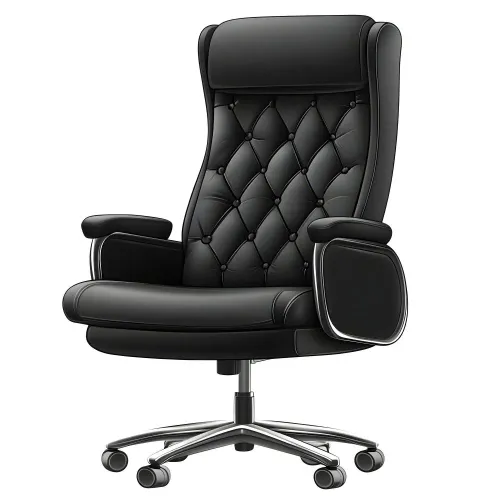
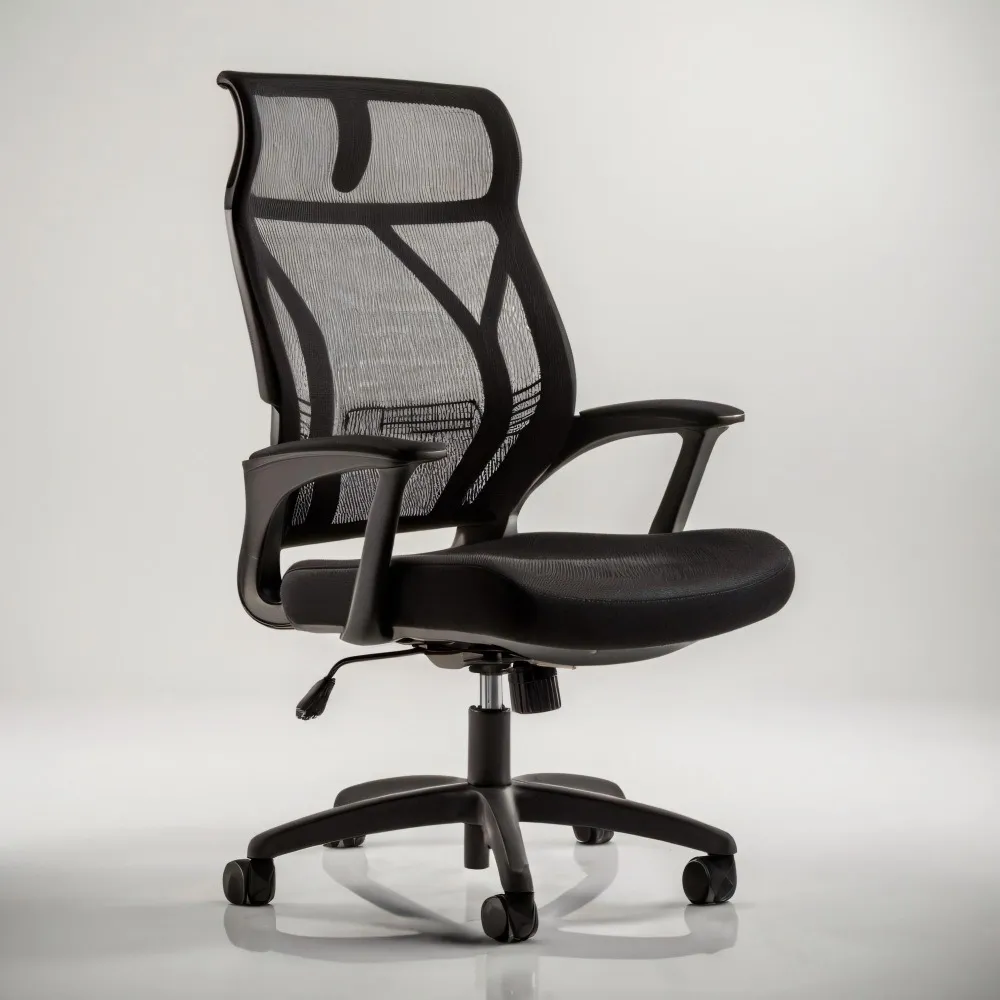
An executive chair may look impressive in a showroom but feel completely different after several hours of desk work. For people who spend substantial time at computers, adjustability and support often matter more than appearance alone. Mesh Executive Chairs with Adjustable Headrest are designed to combine airflow with configurable seating features for office environments.
Businesses in Thane, Maharashtra, comparing executive seating should evaluate how the chair supports actual users rather than relying on a long list of adjustment features.
Why Mesh Is Common in Office Seating
Mesh backrests allow greater airflow around the user's back than many heavily padded alternatives. This can be useful in workplaces where employees remain seated for extended periods.
Mesh also gives chairs a lighter visual profile, which can complement contemporary office interiors.
However, material alone does not determine comfort. Frame shape, tension, lumbar support and overall chair geometry remain important.
What Does an Adjustable Headrest Do?
A headrest is intended to support the head or neck in appropriate sitting positions, particularly when leaning back.
Adjustment can help accommodate differences in user height and preferred posture. Depending on the design, the headrest may offer height, angle or combined adjustments.
The key question is whether the headrest can be positioned comfortably for the intended user. A headrest that sits too far forward or too low may be less useful regardless of how premium the chair appears.
Prioritize Core Adjustments
When comparing chairs, buyers can become distracted by the number of controls. Start with the adjustments that affect everyday sitting.
Useful considerations include:
- Seat-height adjustment
- Back support
- Recline or tilt functionality
- Armrest position
- Headrest adjustment
- Seat depth where available
- Stable base and smooth movement
Not every user needs every adjustment, but the chair should allow an appropriate working posture for its intended occupant.
Executive Chair Versus Basic Task Chair
A basic task chair can be perfectly suitable for many workstation roles. Executive models often provide larger proportions, additional support features or enhanced adjustability.
The decision should therefore be based on usage rather than job title alone.
An employee sitting continuously for long periods may benefit more from adjustable seating than someone who spends much of the day away from a desk.
Test Fit Instead of Assuming One Size Fits Everyone
People differ in height, leg length and preferred sitting position.
A chair should allow the user's feet to be appropriately supported while maintaining a practical relationship between seat height and desk height. Armrests should not prevent the chair from approaching the desk.
For organizations buying chairs in volume, selecting a configuration that accommodates a broad range of users can simplify future seat allocation.
Do Not Evaluate the Chair in Isolation
Desk height, monitor placement and keyboard position affect seating comfort too.
Even a highly adjustable chair cannot compensate for a poorly arranged workstation. Businesses should therefore consider the chair as one component of the employee's complete working environment.
Questions Procurement Teams Should Ask
Before placing a larger order, consider:
- Who will use the chairs?
- How many hours are they typically seated?
- Which adjustments are genuinely required?
- Does the chair fit existing desks?
- Are replacement or maintenance requirements understood?
- Is the chair appropriate for shared or assigned seating?
These questions help move the buying decision beyond appearance and price.
Seating for Modern Corporate Requirements
Shaad Enterprises manufactures office furniture for corporate and commercial requirements. Businesses selecting mesh executive chairs in Thane can evaluate seating alongside workstation dimensions and employee usage patterns to create a more coherent workplace setup.
The right executive chair is not defined by the greatest number of levers or the largest backrest. It is one that allows the intended user to adjust the seating appropriately and remain supported throughout routine office activities.
Keywords