Wet clothing, damp floors and high humidity change what a meeting chair must withstand. By comparing support, movement, upholstery and maintenance, you can choose seating that suits meeting length without creating mould, odour, slipping or corrosion problems during the Thane monsoon.
Key takeaways
- Choose supportive conference chairs for meetings lasting over 45 minutes.
- Use guest chairs for short visits, quick turnover and easy entry.
- Select wipeable, quick-drying upholstery for wet clothing and high humidity.
- Prefer fixed legs on wet floors; use casters only with safe clearance.
What job must each chair perform in a Thane meeting room?
A conference room chair must keep an employee supported through sustained discussion; a guest chair must let a visitor sit comfortably, enter, leave and move on. That difference matters in Thane, where damp clothing, wet footwear and high indoor humidity add cleaning demands to everyday seating.
| Chair | Primary purpose and support | Physical design |
|---|---|---|
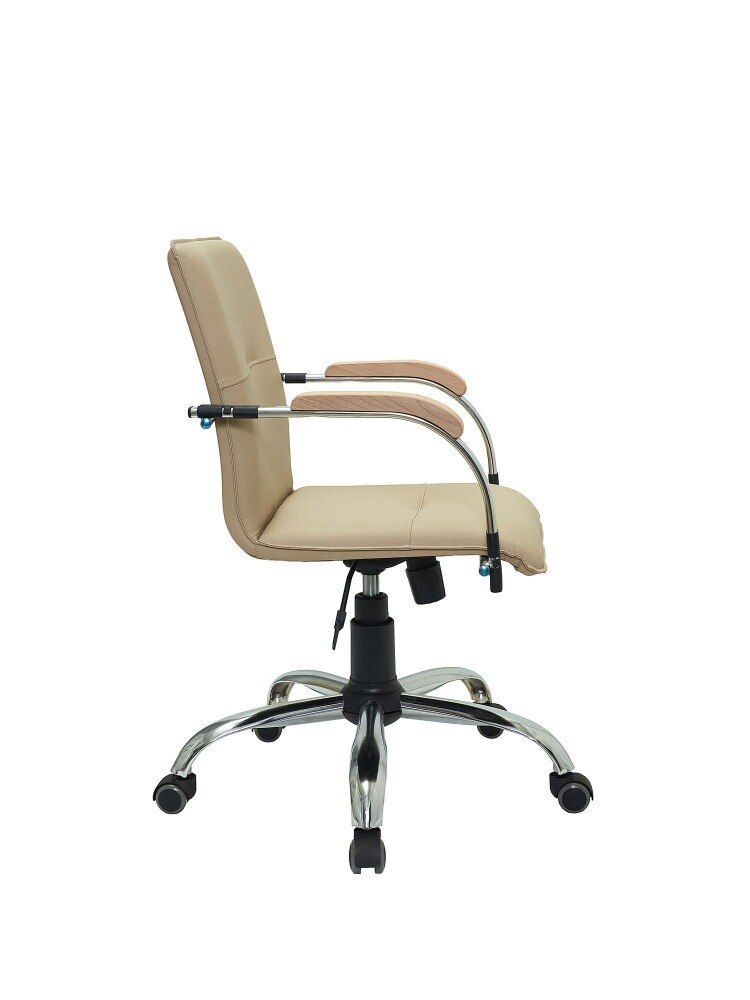
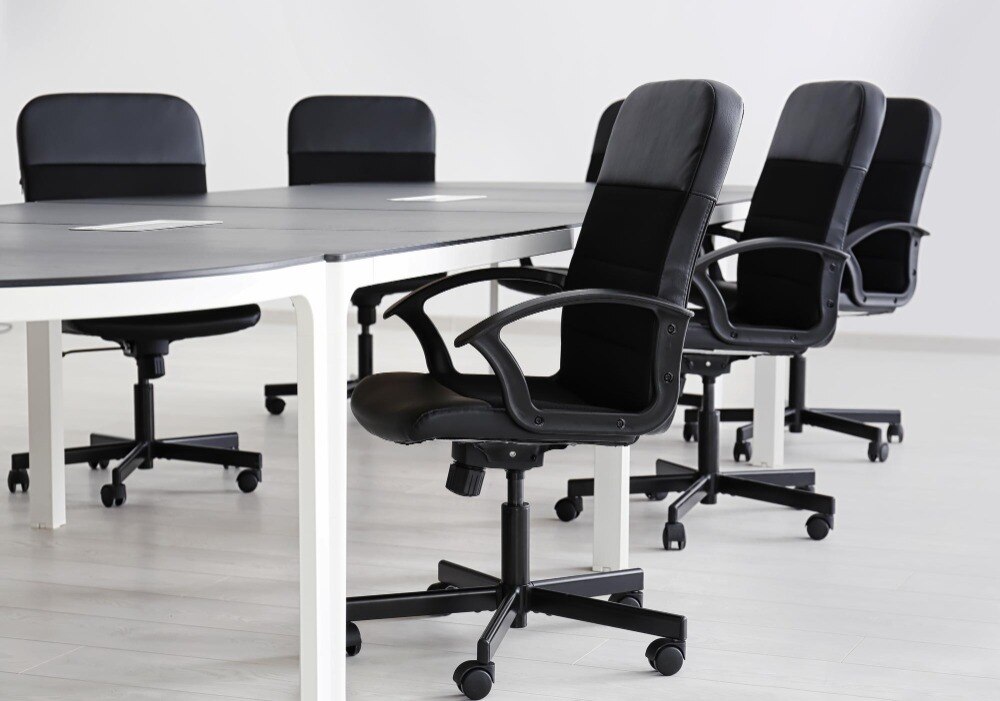
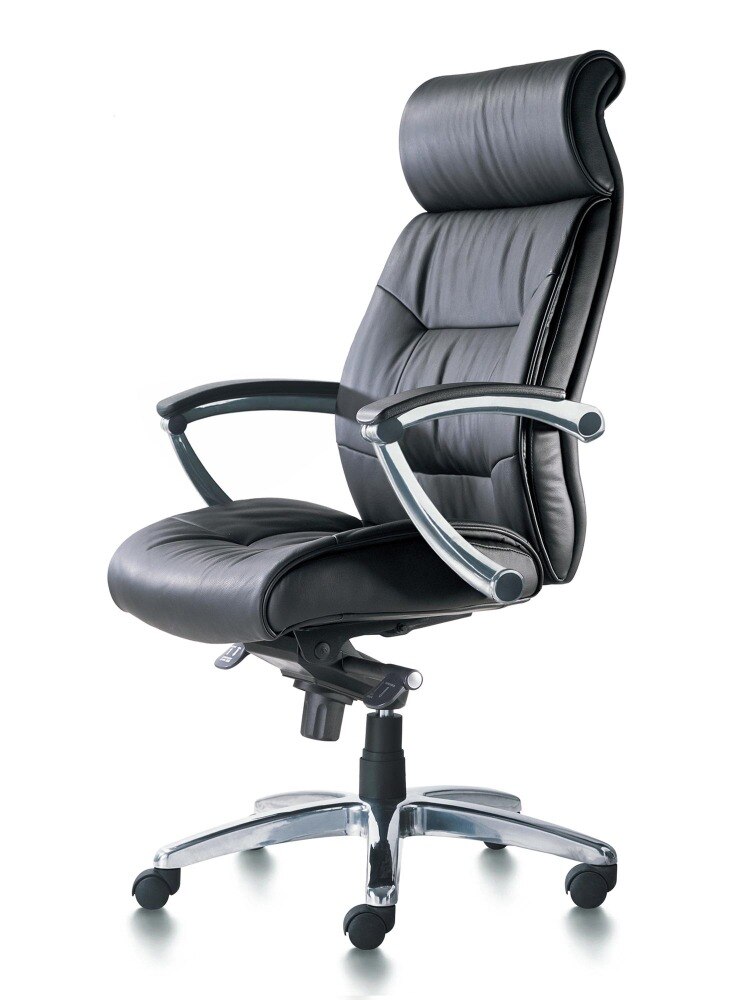
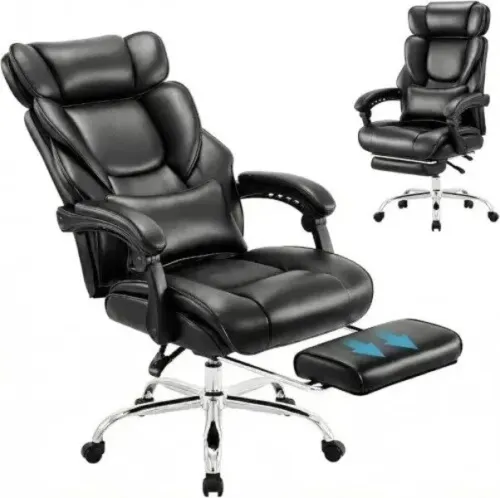
| Conference room chair | Longer meetings; shaped backrest, lumbar support, adequate seat depth and adjustable seat height | Usually padded, swivel-based and sometimes fitted with casters or armrests for posture and room reconfiguration |
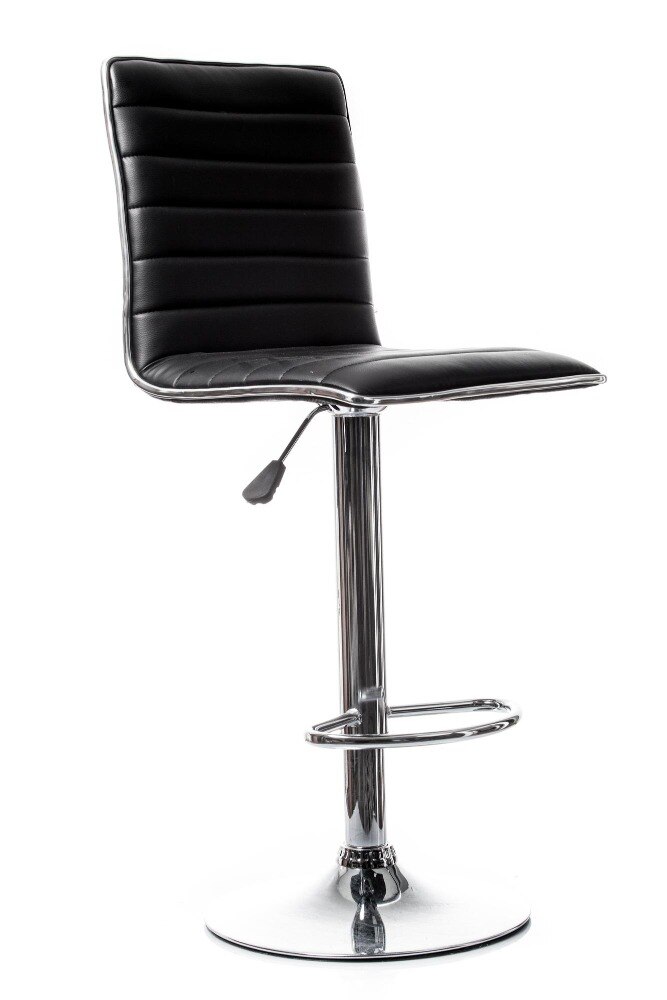
| Guest chair | Short appointments, interviews, reception and overflow seating | Usually fixed dimensions, fewer adjustments and a four-leg or sled base that is easy to line up, wipe and store |
| Mixed seating | Staff take longer sessions while visitors use simpler seating | Adjustable conference chairs at working positions; wipe-clean guest chairs at visitor positions |
For conference room chair versus guest chair for monsoon meetings in Thane, mixed seating is usually the practical answer. A fixed chair for every position saves initial cost but can leave shorter or taller employees without suitable seat height, thigh support or lumbar contact.
Choose a conference chair when employees remain for about an hour or longer, especially across several-hour meetings. Choose a guest chair for brief visitor appointments, interviews and waiting areas; its simpler construction reduces exposed mechanisms and floor contact points that collect rainwater and dirt.
Choose the chair by meeting length and visitor activity
Use a conference room chair for monsoon meetings lasting 60 minutes or more; use a guest chair for office meetings built around short visitor contact.
| Meeting or visitor use | Appropriate chair | Decision rule |
|---|---|---|
| 30-minute meeting | Guest chair | Choose a fixed, wipe-clean chair if attendees sit briefly and the room rarely changes layout. |
| 60-minute meeting | Adjustable conference chair | Select seat-height adjustment and a shaped backrest; fixed dimensions can leave shorter users without thigh support or taller users with a low desk. |
| Several-hour meeting | Supported conference chair | Use adjustable seat height, lumbar support, adequate seat depth and, where needed, adjustable arms. A basic visitor chair becomes uncomfortable as pressure builds under the thighs and lower back. |
| Interview | Guest chair | Fixed four-leg or sled-base seating keeps the visitor stable, is easy to position across a desk and wipes clean after wet clothing. |
| Waiting area | Guest chair | Prioritise a compact footprint, durable closed-surface upholstery and easy lining-up over recline or complex adjustments. |
For a conference room chair for monsoon use, choose adjustable seating for employees who attend long sessions, then add wipe-clean guest chairs for visitors and overflow. This mixed layout costs less than giving every person the same compromise chair.
A low-cost fixed chair can suit a 30-minute appointment but create poor ergonomic fit for daily staff use. Reserve wheeled chairs for rooms that switch between boardroom, training and presentation layouts; fixed guest chairs are simpler to clean and reposition after damp footwear tracks water indoors.
Which upholstery survives wet clothing and high humidity?
Wet clothing favours closed-surface upholstery. A conference room chair for monsoon use is easiest to wipe and dry when its seat and back use polyurethane, vinyl, or another non-absorbent coated surface. Blot rainwater immediately, then wipe with a lightly damp cloth and dry the seams.
| Material | Rain-exposure performance | Trade-off |
|---|---|---|
| Polyurethane or vinyl | Fastest to wipe; does not hold water at the surface | Feels warmer and less breathable in long meetings |
| Tightly woven fabric | More comfortable in heat, but absorbs dampness | Foam, stitching, piping and underside can stay wet |
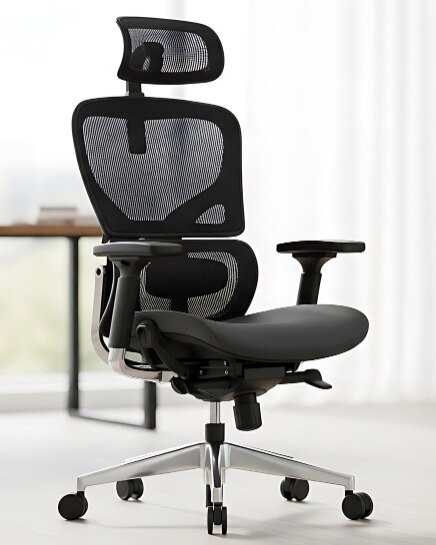
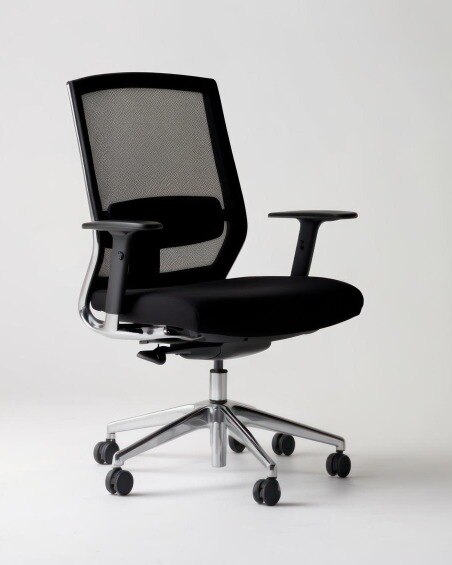
| Mesh | Dries quickly on the surface | Traps dust and is harder to disinfect after muddy contact |
Do not judge fabric by its visible face alone. Thick enclosed foam can remain damp after the cover feels dry, creating mould and odour; removable or replaceable covers and cushions that can be dried separately are safer choices.
After a wet meeting, follow three steps:
- Remove wet umbrellas and do not store them beside chairs.
- Open doors or windows where practical, run air-conditioning or dehumidification, and dry wet materials within 24–48 hours.
- Wipe moisture from metal frames, screws and base joints before it reaches the finish.
Specify the base metal and finish, not just “rust-resistant.” Stainless steel grade 304 suits ordinary indoor humidity; grade 316 gives stronger protection where chloride-rich moisture is a concern. Aluminium also reduces rust risk, but exposed fasteners and scratched coatings still need inspection.
When are casters safe, and when are fixed legs better?
Casters are safe only on a level, dry floor with a clear route from the entrance to the table. Wet soles can make a wheeled chair roll as someone sits down, while water and grit trapped around the wheels can mark tiled floors.
| Option | Choose it when | Monsoon risk to control |
|---|---|---|
| Wheeled conference chair | The room changes between boardroom, training and presentation layouts | Keep the entry dry with an absorbent mat; specify non-marking casters and inspect wheel movement |
| Fixed four-leg chair | Visitors attend short meetings, interviews or reception appointments | Use broad rubber or elastomer glides; avoid hard nylon feet that slide or scratch wet tiles |
| Fixed sled-base chair | You need stable rows and easy alignment near an entrance | Check that the base does not skid when footwear is wet, and leave clearance for safe sitting |
Use casters for office meeting chairs in Thane when staff reposition chairs frequently and the floor stays dry after cleaning. Do not treat wheels as automatically safer; a chair that moves easily can drift during entry, exit or reaching across a table.
Choose a guest chair for office meetings with fixed legs when visitors use it for short periods, especially near doors where umbrellas, damp footwear and wet clothing introduce moisture.
A four-leg or sled base is easier to wipe and line up, but employees in meetings lasting an hour or more need an adjustable conference chair instead.
A monsoon inspection checklist before you order office meeting chairs
Before ordering office meeting chairs in Thane, inspect construction, test evidence and cleaning requirements—not just colour or price. The conference room chair versus guest chair for monsoon meetings in Thane becomes clear when you check how each will handle long use, wet clothing and repeated movement.
1. Inspect the frame, seat pan and joints. Look for reinforced connections, stable four-leg or sled bases, covered edges and fasteners that will not trap water. On wheeled chairs, check the gas lift, caster housings and underside for exposed steel where corrosion could begin.
2. Ask for a BIFMA X5.1 test report covering stability, strength and durability. Confirm that the report names the exact model and configuration, including arms, base and casters—not a similar chair in the same range.
3. Sit in the chair for ten minutes. Check that an employee can adjust seat height, keep both feet supported and avoid pressure behind the knees. A fixed guest chair suits short visits; it is a poor substitute for daily, hour-long meetings.
4. Wipe the seat, back, seams and mesh with the proposed cleaning product. Mesh still needs wipeable frame edges and a seat pan because dust and dampness collect there.
5. Ask who dries wet upholstery, how often casters and fasteners need cleaning, which parts are replaceable, and what cleaning agents damage the finish. Shaad Enterprises can be asked these questions before you compare its conference and visitor-chair options with alternatives.
Related products
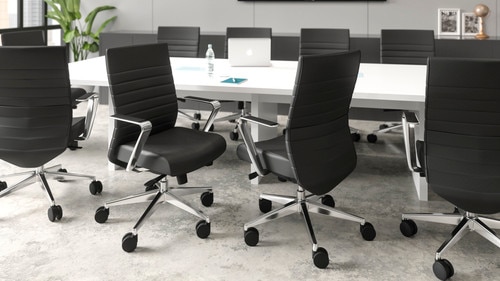 | Office Chairs Shaad Enterprises Shaad Enterprises proudly manufactures premium-quality Conference Room Office Chairs designed to provide comfort, durability, and a... View product → |
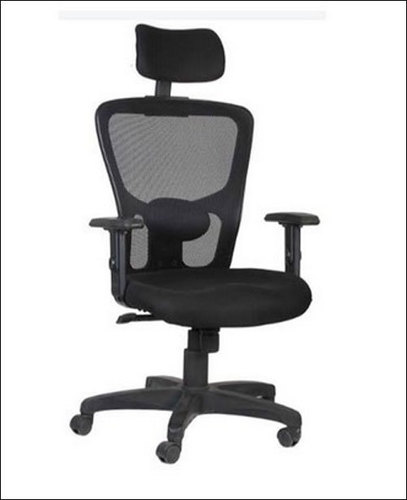 | Office Chairs Shaad Enterprises Shaad Enterprises offers premium quality Low Back Office Visitor Chairs designed to provide comfort, durability, and a professional... View product → |
Frequently asked questions
What job must a conference chair perform in a Thane meeting room?
A conference chair must support an employee through sustained discussion, with a shaped back, stable seat and sufficient comfort for longer sessions.
When is a guest chair better for office meetings?
Choose a guest chair for short visits, frequent visitor turnover and rooms where people need to enter, leave and move quickly.
Which upholstery is best for monsoon office meetings?
Choose wipeable, quick-drying upholstery that tolerates damp clothing and high humidity. Avoid absorbent fabric when cleaning and drying time are limited.
Are casters safe in a monsoon meeting room?
Use casters when the floor is level, dry and clear of bags and wet footwear. Choose fixed legs when water, slippery flooring or tight circulation creates movement risks.
What should you inspect before ordering office meeting chairs in Thane?
Check seat support, frame stability, upholstery cleanability, leg or caster safety, floor clearance, drying requirements and the chair's fit within the meeting room.
Keywords