Daily sweat, monsoon moisture, dust, loose fasteners and worn moving parts can make a high-back chair look tired or behave unsafely. You will learn how to inspect, clean, repair, restore and test the chair, then decide whether maintenance, component replacement or a new chair is the sensible option.
Key takeaways
- Inspect the gas lift, five-star base, tilt mechanism and casters before cleaning.
- Use a vacuum and damp microfiber cloth; avoid soaking foam or leatherette.
- Replace unstable bases and leaking gas lifts instead of lubricating them.
- Test every adjustment and fastener before returning the chair to daily use.
Inspect the Chair Before You Clean or Reupholster It
A chair that rocks, drops under your weight or has a cracked base is unsafe, regardless of how clean or attractive the upholstery looks. To restore a high back executive chair after daily use in Thane, inspect its load-bearing parts before ordering fabric, foam or leatherette.
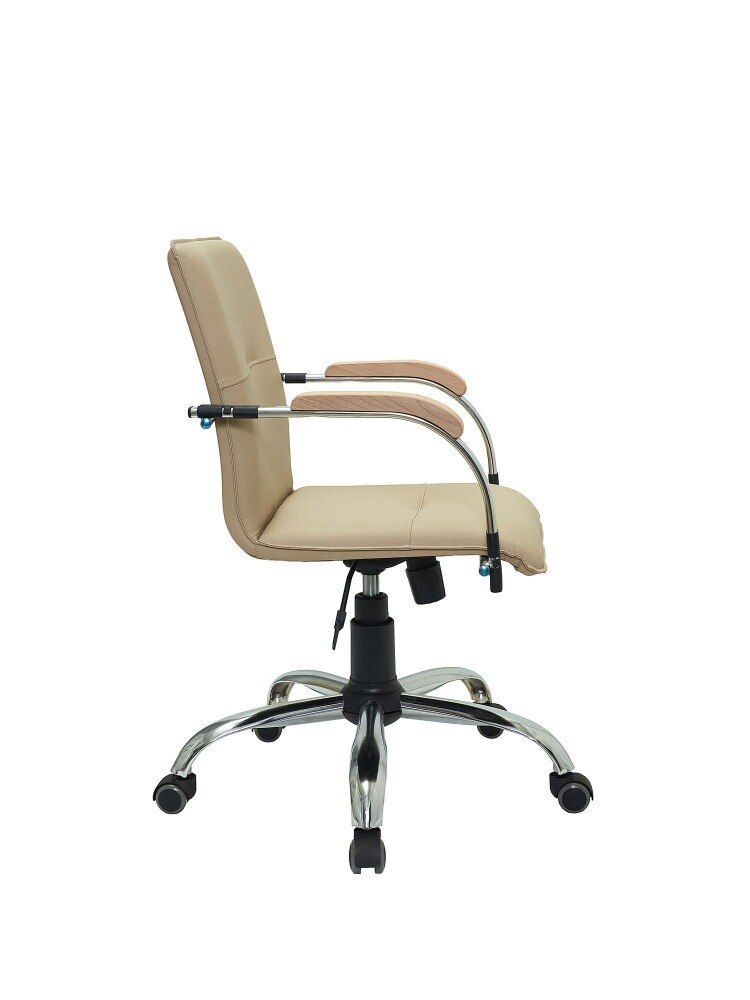
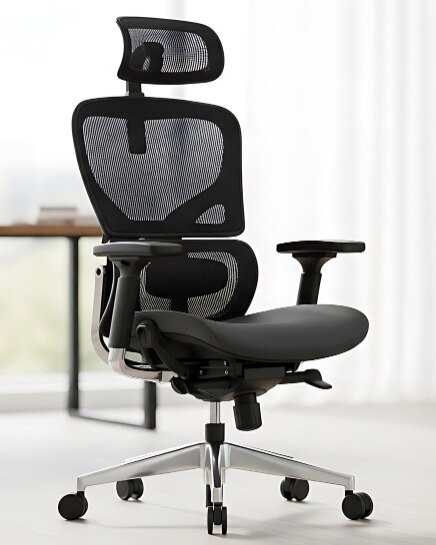
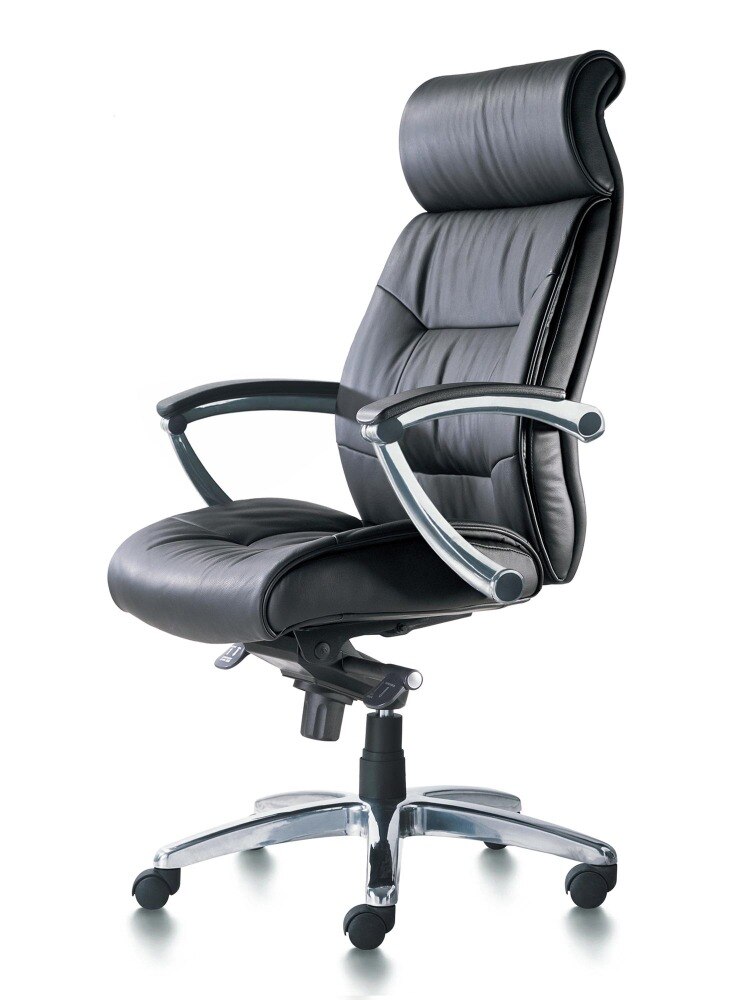
- Check the five-star base for cracks, bent legs and loose joints. Remove the chair from service if any leg flexes or the base separates around the gas-lift socket.
- Test every caster by rolling the chair slowly. Replace a wheel that jams, detaches, wobbles or pulls its stem out of the base.
- Look beneath the seat for a loose or distorted seat plate. A clicking plate, uneven tilt or seat movement independent of the mechanism signals more than a loose screw.
- Hold the backrest and arm supports while applying gentle pressure. Stop if the frame shifts, a mounting point pulls away or a fastener spins without tightening.
- Sit carefully and operate the recline lock and height lever. A chair that sinks gradually has a failed pneumatic gas lift; do not drill, cut, heat or open its pressurised cylinder.
Photograph each defect and label removed fasteners before cleaning. Peeling bonded leather is cosmetic material failure, but compressed foam affects support and fit. Repair or replace structural and moving parts first, then reupholster, and perform a loaded safety test before returning the chair to daily use.
Remove Thane Dust and Sweat Without Damaging the Finish
A soft-brush vacuum removes Thane dust before moisture turns it into grime. Vacuum fabric, mesh, seat seams, backrest edges, the gap between backrest and frame, armrest joints and around the seat plate. Then wipe exposed surfaces with a lightly damp microfiber cloth; use a second dry cloth immediately.
| Surface | Safe method | Avoid |
|---|---|---|
| Fabric | Vacuum with a soft brush, then blot sweat with a cloth dampened with mild soap solution | Scrubbing, soaking or ignoring the upholstery cleaning code |
| Mesh | Vacuum both sides, wipe gently with diluted mild soap, and dry the mesh edges | Brushes that stretch the weave or blocked airflow from residue |
| Leatherette | Wipe with a barely damp microfiber cloth and dry completely | Bleach, alcohol, strong solvents, abrasive powders and furniture polish |
| Plastic and painted metal | Wipe dust away, clean grime with mild soap solution, then dry | Excess water around controls, seams and painted joints |
| Casters and five-star base | Pull out hair, grit and dust; wipe each wheel and base, then check free rotation | Forcing a different stem into a caster socket |
For high back chair maintenance in Thane, keep the chair away from a damp wall and leave air beneath the seat while it dries. Never cover damp upholstery with airtight plastic; trapped condensation encourages mould. Porous upholstery with mould inside may need removal rather than surface wiping.
- Clean in ventilation, not beside a humidifier or open monsoon-damp wall.
- Do not spray cleaner directly onto mesh, controls or seams.
- Replace a caster only with the same stem type and a suitable load rating.
Tighten, Lubricate and Test the Moving Parts
Tighten fasteners with the chair unloaded and the joint supported, then distinguish temporary looseness from component failure by observing what moves. A loose screw or bolt leaves play at one joint and stops moving after correct tightening. A stripped insert, cracked shell or shifting seat plate does not.
- Gas lift: If the seat slowly sinks while you sit, height adjustment fails, or the cylinder wobbles in the base, replace the lift. Do not drill, cut, heat or open this pressurised cylinder. Match its cylinder diameter, stroke, top fitting and base connection.
- Tilt mechanism: A handle that turns without changing height points to a cable, lever or mechanism fault. A backrest that reclines but will not lock, or a lock that slips under load, indicates worn mechanism parts rather than a loose screw.
- Seat plate: Movement between the seat and column, with intact threads, can come from loose bolts. Cracks, bent metal or holes that no longer hold bolts require replacement.
- Casters: Remove hair, grit and Thane dust, then spin each wheel. Replace a wheel that binds, wobbles or pulls out; match the stem type and load rating instead of forcing a different stem into the socket.
- Five-star base: A loose connection causes local movement at the column. A crack, spreading socket or bent leg makes the base unsafe and disqualifies the chair from use.
Apply a small amount of suitable lubricant to clean metal pivot points, never to the gas-lift cylinder. After tightening or replacing parts, test height, recline, tilt lock and rolling unloaded, then repeat with a seated load. This is essential executive chair care in thane.
Replace Worn Foam, Mesh, Upholstery and Casters in the Right Order
A practical way to restore a high back executive chair after daily use in Thane is to repair the frame and mechanisms before replacing soft parts. Foam, mesh, upholstery and casters are serviceable; a cracked five-star base, bent seat plate or failed gas lift requires replacement.
- Photograph and label every part before removal.
- Clean and dry the chair completely.
- Repair or replace the base, seat plate, gas lift, recline mechanism and casters.
- Fit the new foam, mesh or upholstery.
- Perform a loaded safety test before returning the chair to use.
| Component | Restore when | Replace when and what to match |
|---|---|---|
| Foam | It remains resilient without permanent compression | It is flattened, tilted or visibly lower; match thickness and density to preserve seat height |
| Mesh or upholstery | Stitching, surface dirt or a small loose edge is the only damage | Fabric is torn, stretched or permanently stained; copy the original panel shape and attachment points |
| Casters | Wheels rotate freely after hair, grit and dust are removed | A wheel wobbles, cracks or binds; match stem type, diameter and load rating |
| Gas lift | Do not open or repair the cylinder | The seat sinks or fails to hold height; match cylinder dimensions, stroke, top fitting and base connection |
The main risk in office chair wear and tear in Thane is fitting a convenient substitute that changes the chair’s geometry. Measure seat height from the floor, check thigh clearance under the desk, and confirm armrests still meet the user’s elbows after installation. Never force a different caster stem into the base.
Follow a Maintenance Schedule and Know When to Call for Help
For high back chair maintenance in thane, use a fixed schedule instead of waiting for a wobble or sudden drop. Keep the chair unloaded during checks, and record loose parts, stains, seat-height changes and caster damage so small faults do not become structural failures.
- Weekly: Vacuum fabric, mesh and crevices with a soft brush; wipe plastic, leatherette and armrests with a lightly damp microfiber cloth, then dry every seam. Remove hair and grit from each caster, and confirm that all wheels rotate freely.
- Monthly: Check the five-star base, caster stems, seat plate, backrest fasteners, arm supports and recline-lock screws. Tighten only intact threads with the correct tool; replace stripped inserts, cracked plastic or bent metal instead of forcing the fastener.
- Quarterly: Test the gas lift, tilt mechanism and recline lock through their full range without anyone seated. Check for a sinking seat, permanent foam compression, altered seat height, uneven back support and looseness that returns after tightening.
Good executive chair care in thane also means keeping the chair away from damp walls and allowing air beneath the seat during monsoon humidity. Track office chair wear and tear in thane because dust, sweat and moisture accelerate caster, upholstery and mechanism damage.
Stop using the chair immediately if the base is cracked, the chair drops under load, rocks after tightening, or a backrest or arm support remains unstable. Seek professional furniture support for a failed gas lift, damaged seat plate or incompatible replacement part.
Shaad Enterprises can help compare seat height, caster stem type and base compatibility before you replace the chair.
Related products
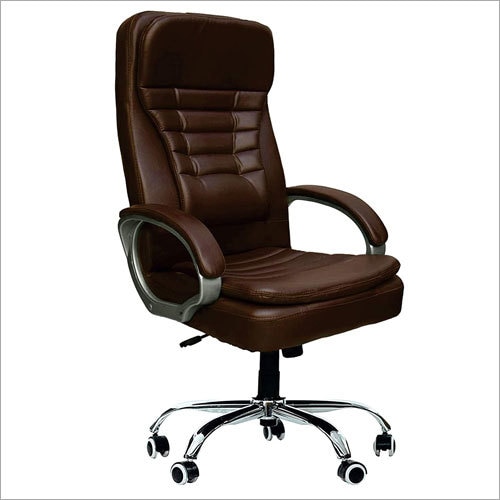 | Office Chairs High Back Executive Office Chair Shaad Enterprises Shaad Enterprises offers premium quality High Back Executive Office Chairs designed to provide superior comfort, professional... View product → |
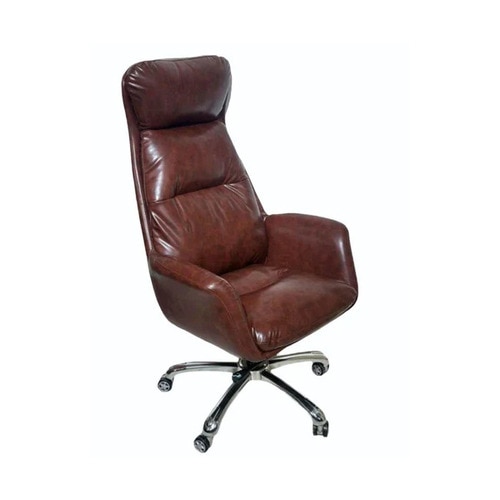 | Office Chairs Shaad Enterprises Shaad Enterprises proudly offers premium quality High Back Executive Chairs designed for comfort, style, and long-lasting... View product → |
Frequently asked questions
What should you inspect before restoring a high back executive chair?
Check the five-star base, gas lift, tilt mechanism, seat plate, armrests, fasteners and casters for cracks, looseness or unsafe movement before ordering materials.
How do you remove Thane dust and sweat without damaging a chair?
Vacuum loose dust first, then wipe hard surfaces with a lightly damp microfiber cloth. Use a cleaner suited to the upholstery, and keep foam, mesh and mechanisms dry.
Which chair parts should you replace first?
Repair load-bearing and moving parts first, including the base, gas lift, tilt mechanism and casters. Replace damaged foam, mesh or upholstery after the frame is safe.
When should you call for help with executive chair maintenance in Thane?
Call for help when the base is cracked, the gas lift drops under load, the tilt mechanism jams, mounting points are stripped or the chair remains unstable after tightening.
Related products
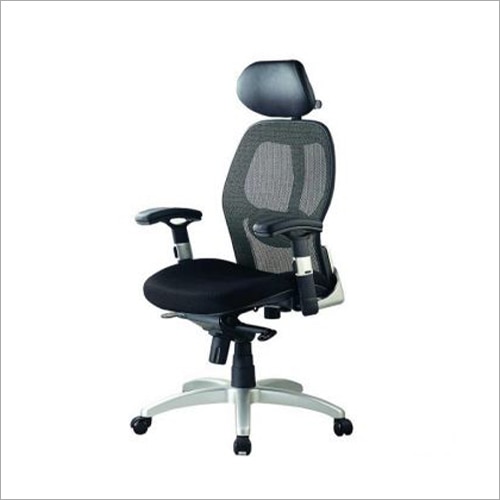 | Office Chairs Matrix High Back Mesh Office Chair Sure — if you want an assembly (make-up) guide specifically for a Matrix High Back Mesh Office Chair that you can use in your business Chirag Steel... View product → |
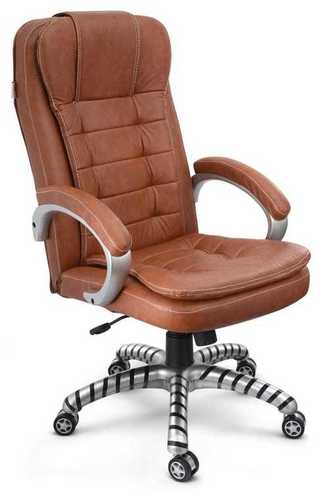 | Office Chairs Here is a professional assembly guide you can use for your business Chirag Steel when assembling a Revolving High Back Chair for customers. View product → |
Keywords