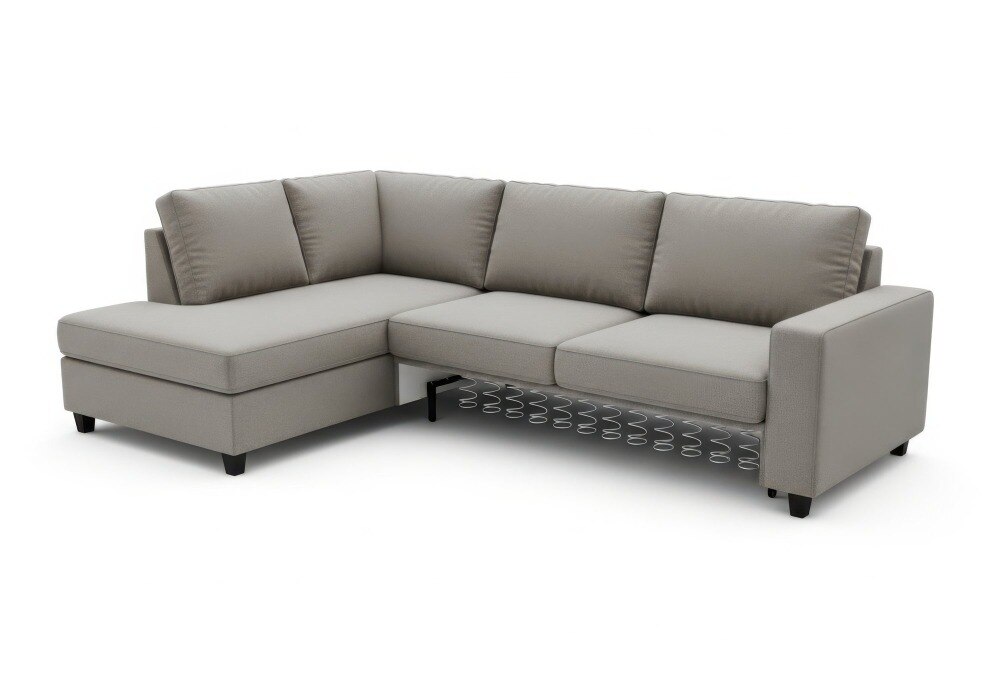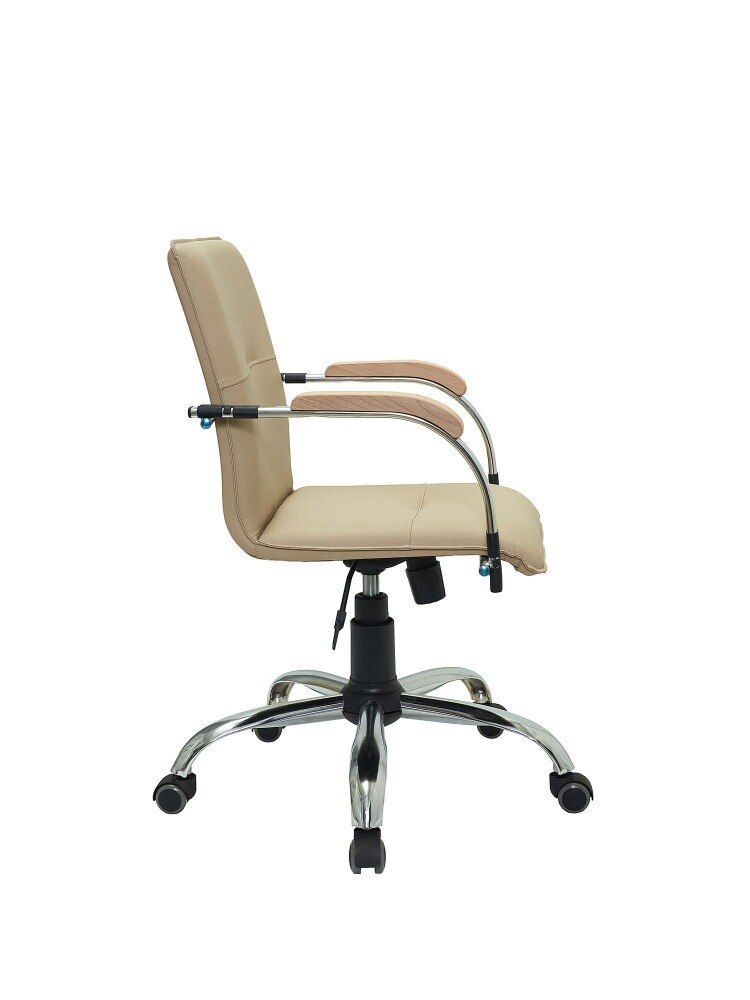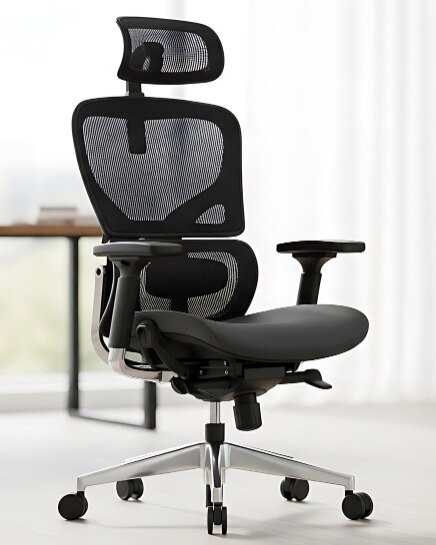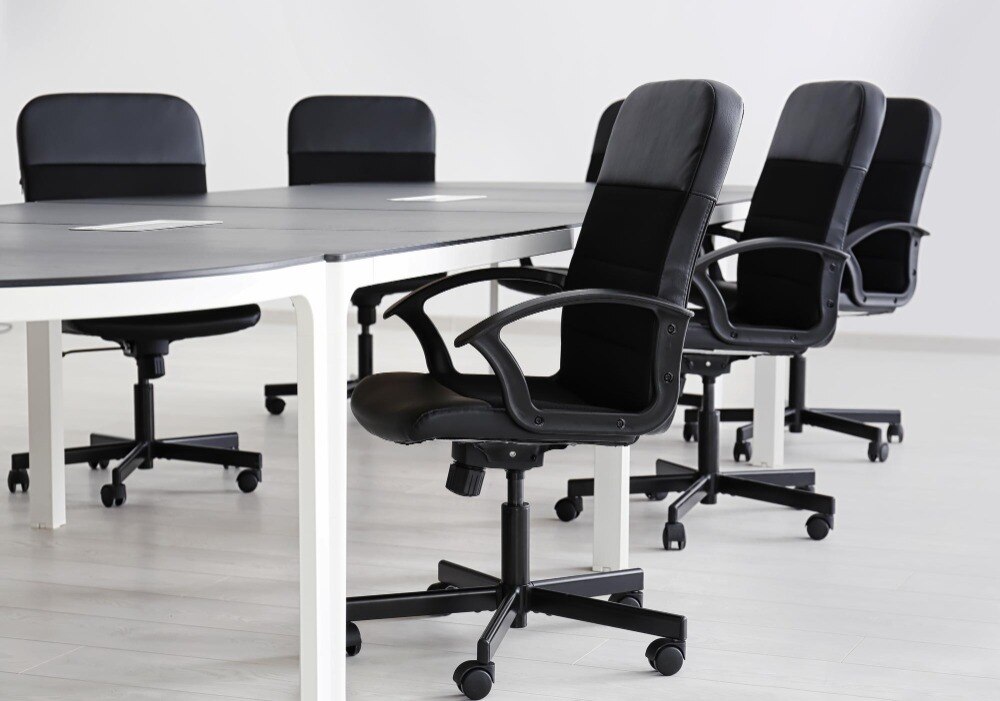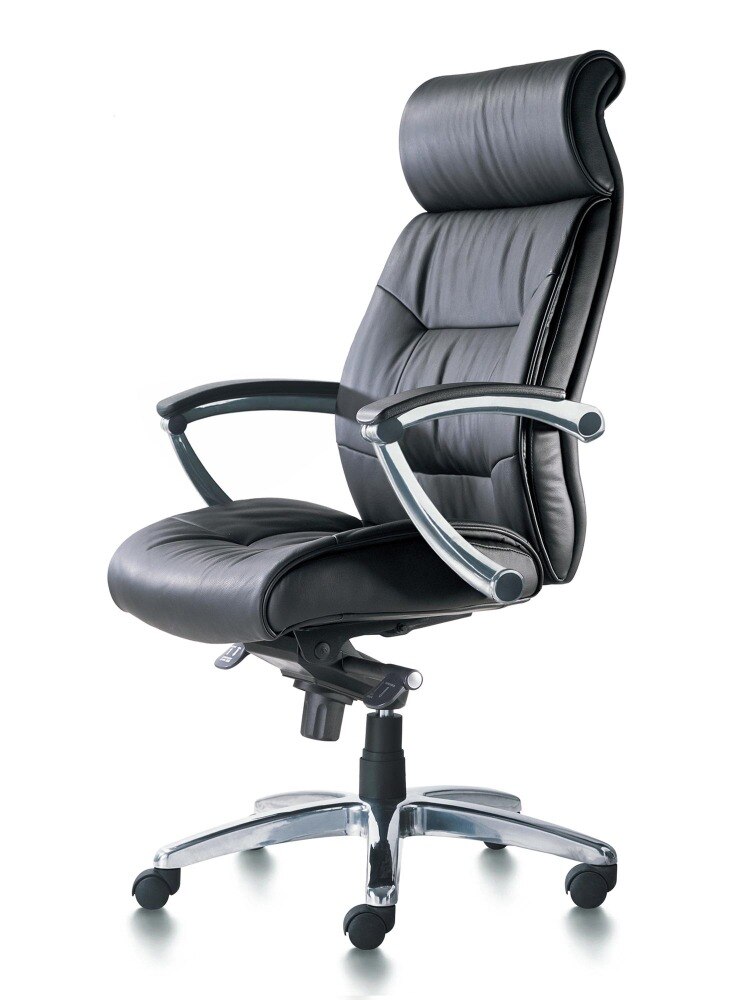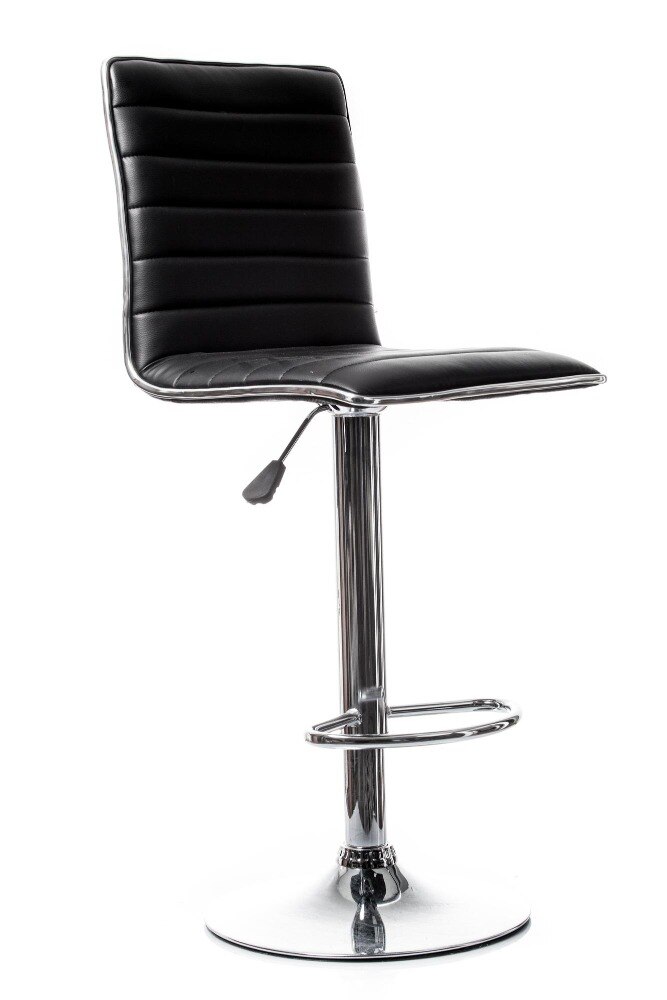
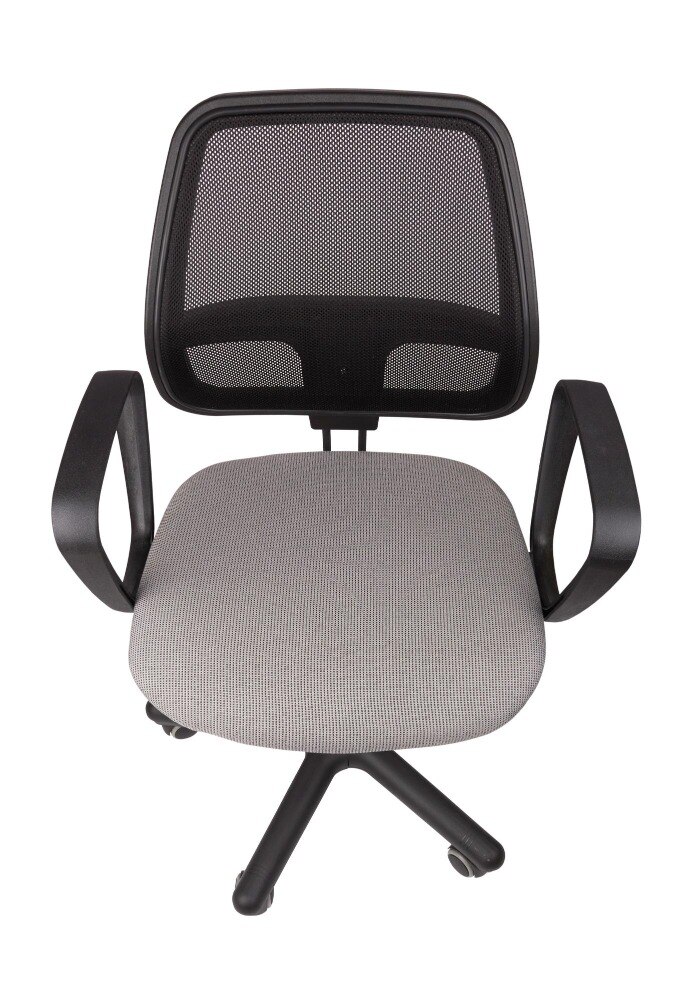
A low-back chair can keep a Thane reception area visually open and make brief visits easier, but its value depends on waiting time, dimensions, circulation, materials and maintenance. Use the guidance below to decide whether this format fits your visitors, measure the space correctly and question suppliers before ordering.
Key takeaways
- Keep sightlines open between reception staff and visitors.
- Match chair cushioning and spacing to expected waiting time.
- Measure seat depth, aisle clearance and base stability before ordering.
- Choose wipe-clean materials and replaceable parts for frequent use.
What a low-back chair improves in a Thane reception
A low-back chair keeps sightlines open across a Thane reception desk, so staff can acknowledge visitors without a tall chair blocking the view. It also makes a compact waiting zone feel less enclosed, leaves more visual space between seats, and supports quick entry and exit during brief visits.
The case for a low back visitor chair for benefits in thane is practical, not medical: it does not prove better posture or prevent back pain.
| Seating type | Main advantage | Best fit | Limitation |
|---|---|---|---|
| Low-back visitor chair | Open appearance and easy circulation | Brief visits and high visitor turnover | Less upper-back support |
| High-back or task chair | Stronger back and thoracic support | Longer waits, interviews and desk work | Larger visual and physical footprint |
| Lounge chair | Relaxed comfort and a welcoming feel | Longer consultations and premium waiting areas | Uses more floor space and slows turnover |
| Fixed bench | Efficient capacity and simple cleaning | Several short-stay visitors together | Less personal space and limited support |
Choose a low back visitor chair for reception when most visitors sit for about five minutes and staff need clear interaction. It is the wrong seating for 30-minute waits, long consultations, clinics, interviews or security desks where someone remains seated for extended periods.
Use an adjustable task chair or supportive lounge seat instead, and check that visitors can place both feet on the floor without the seat edge pressing behind their knees.
Match the chair to waiting time, visitor needs and room layout
Choose by expected sitting time, not chair height alone. A low-back chair suits a visitor who will wait about five minutes: it keeps sightlines open, supports quick conversation and lets people enter or leave without feeling enclosed.
| Option | What it provides | When it applies |
|---|---|---|
| Low-back chair | Open appearance, compact footprint and easy short-stay use | Reception visits up to about 15 minutes |
| Task chair | Adjustable seat, stronger upper-back support and longer-session comfort | Interviews, consultations or waits of 30 minutes or more |
| Lounge seat | Deeper cushioning, relaxed posture and a more private feel | Showrooms, premium reception areas and long appointments |
| Fixed bench | Efficient seating for several people with minimal furniture | Clinics, security desks and predictable queues |
| Medium-back visitor chair | More back support without the bulk of a high-back chair | Mixed waiting times and general client visits |
For visitor seating for business offices, choose a task chair when applicants, patients or clients may sit for 30 minutes or longer. A low back does not provide the thoracic support of an adjustable work chair, so it is a poor substitute for extended consultations or employee use.
Check that each visitor can place both feet flat, avoid pressure behind the knees and approach without twisting around a table or barrier. A shorter back can preserve reception-desk visibility and make a compact Thane waiting area feel less crowded; this is a layout benefit, not proof of superior back support.
For visitor chair benefits for offices, match the chair to turnover and support needs rather than appearance alone.
Measure comfort, circulation and the chair base before purchase
Measure the seat and the route before approving a low-back reception chair in Thane. A five-minute showroom trial can hide a seat pan that presses behind the knees, a back that misses the user’s posture, or a base that blocks the aisle.
1. Draw the chair’s full footprint, including legs and any movement, on the floor plan. Keep a clear approach without side tables, queue barriers or projecting legs. Reserve a 760 × 1,220 mm unobstructed floor space beside a waiting position for wheelchair use, and confirm the route width against local accessibility requirements.
2. Check a seat height of about 430–480 mm and a seat depth of about 400–460 mm. The user should place both feet flat, sit without knee pressure, and stand without twisting. Test shorter and taller adults, formal clothing, and users who need arm support.
3. Specify at least one accessible seat with firm arms that support sitting down and rising. Keep the front edge rounded, the seat stable, and the approach free of a raised threshold or loose mat.
4. Test the base on the actual reception flooring. Four-leg and sled bases resist unwanted movement; pedestal bases reduce leg clutter but need an anti-tip check; casters improve repositioning but can roll into circulation paths.
| Base type | Check before purchase | Main layout effect |
|---|---|---|
| Four-leg | Rocking, sharp projections | Stable, clear floor contact |
| Sled | Floor clearance and tipping | Fewer trip points |
| Pedestal | Anti-tip stability and swivel lock | Compact footprint |
| Casters | Braking and unintended rolling | Higher movement risk |
Specify materials, cleaning and durability for frequent visitor use
A chair that looks clean on day one can fail quickly in Thane’s humidity if its covering traps moisture, its metal joints rust, or its floor glides scratch tiles. For a low back visitor chair for reception, judge the complete construction rather than the upholstery alone.
- Upholstery: Ask for the covering type, seam quality and cleaning method. Vinyl and coated fabrics wipe easily, while woven fabric can feel cooler but needs careful stain and moisture control. Follow the manufacturer’s instructions; harsh disinfectants, excess water and unapproved solvents can damage coatings, foam and adhesives.
- Frame: Prefer a steel or solid-wood frame with tight fasteners, smooth welds and no flex at the seat-to-back joint. Request the stated commercial-use rating and any ANSI/BIFMA test reference. Confirm that glides, screws and seat components are available as replacement parts.
- Floor contact: Check that each leg ends in a secure nylon, rubber or polymer glide suited to your floor. Uneven contact causes rocking; exposed steel can mark flooring or corrode after wet cleaning.
- Maintenance: Ask who can replace the cover, foam, glides and fasteners. A removable or repairable part reduces downtime when many visitors use the chair each day.
These visitor chair benefits for offices matter only when upkeep fits your reception routine. Inspect seams, odour, looseness, rust spots and wobbling monthly, then clean spills immediately. A low-back design suits brief visits, not extended consultations that demand deeper support.
Use a supplier checklist before ordering for a Thane site
Ask the supplier for written answers before ordering a low-back reception chair in Thane. The phrase low back visitor chair for benefits in thane should lead you to measurable checks, not appearance claims: seat dimensions, commercial-use rating, cleaning method and installation conditions.
- Which model suits five-minute visits, and which alternative suits 30-minute waits or interviews?
- What are the seat height, seat depth, overall width, armrest width and chair weight?
- Does the chair have a stated ANSI/BIFMA test basis, welded or screwed frame joints, and replaceable glides, covers or other parts?
- What do delivery, assembly, floor protection, warranty inspection and damaged-part replacement include?
- Can the installer access the reception through the gate, lift, staircase and doorway, and are there building delivery hours or loading restrictions?
Shaad Enterprises should confirm whether its low-back model is a standard unit or can be supplied with the dimensions, upholstery and base your circulation plan requires.
| Check before approval | What to ask | Why it matters |
|---|---|---|
| Product | Is the base stable, are feet fully supported, and do arms block close desk positioning? | A visually compact chair can still obstruct movement or tip during entry. |
| Service | Who assembles it, and what documents cover warranty and replacement parts? | Unclear responsibility delays repairs and leaves mismatched chairs. |
| Site access | What packed dimensions and delivery equipment are required? | A chair that fits the plan may not pass your lift or reception doorway. |
Related product
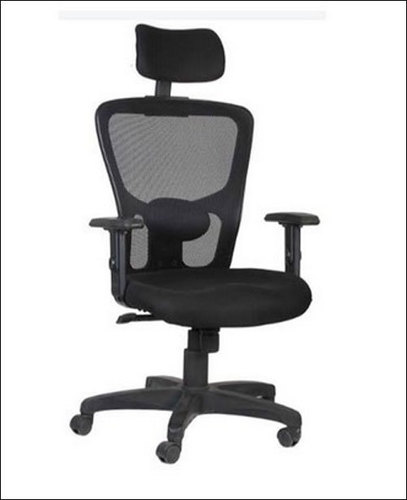 | Office Chairs Shaad Enterprises Shaad Enterprises offers premium quality Low Back Office Visitor Chairs designed to provide comfort, durability, and a professional... View product → |
Frequently asked questions
What does a low-back chair improve in a Thane reception?
It keeps sightlines open across the reception desk, makes compact waiting areas feel less enclosed and supports quick visitor entry and exit.
How should you match a low-back chair to visitor needs?
Choose cushioning, seat support and spacing according to expected waiting time, visitor mobility needs and the room’s available floor area.
What should you measure before buying a low-back reception chair?
Measure seat height, seat depth, chair width, total footprint, aisle clearance and the base’s stability before placing an order.
Which materials suit frequent visitor use?
Select durable upholstery or laminate surfaces that tolerate repeated contact, plus finishes that staff can wipe clean without damaging the material.
Keywords